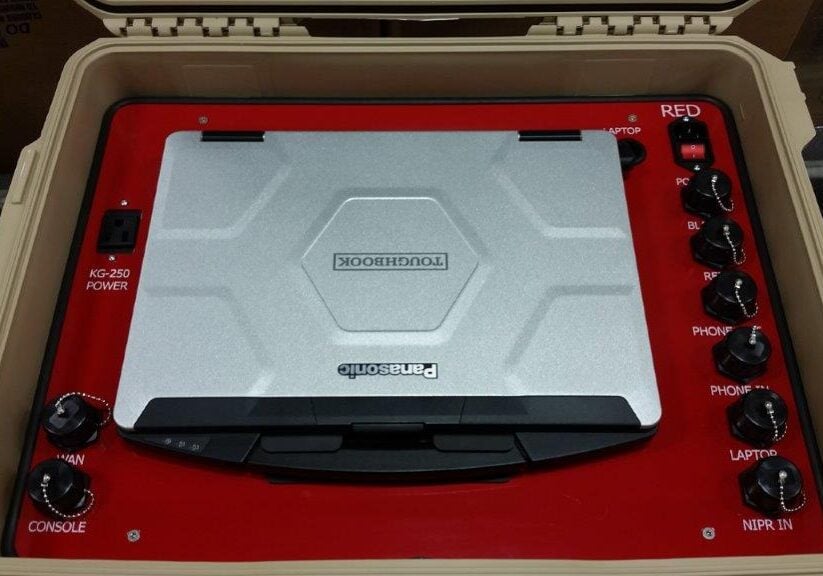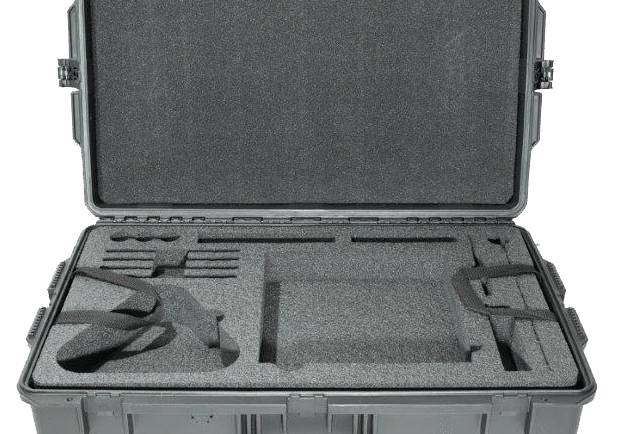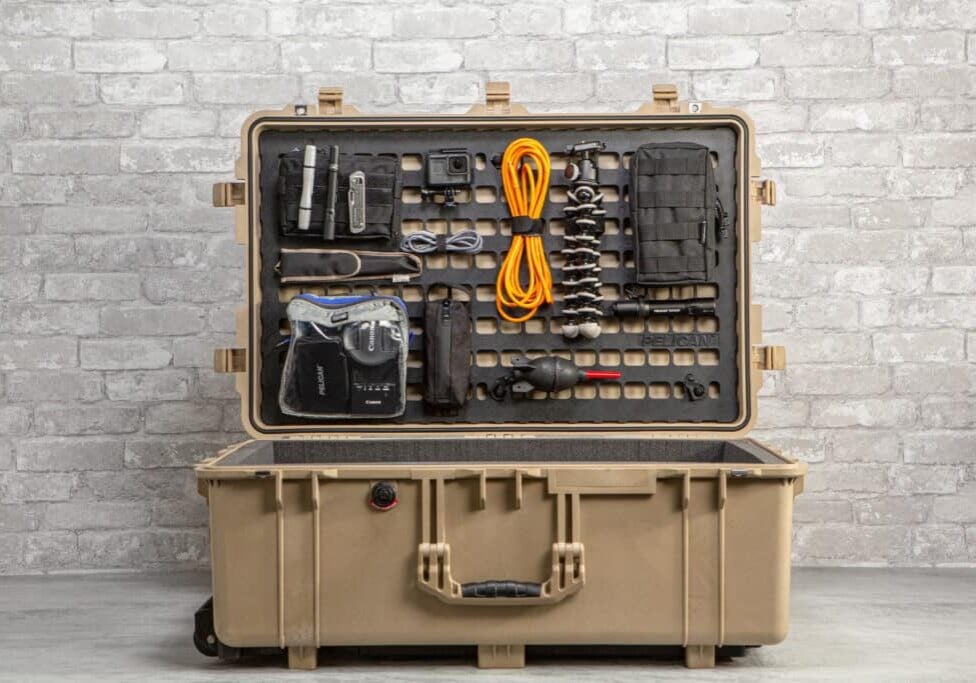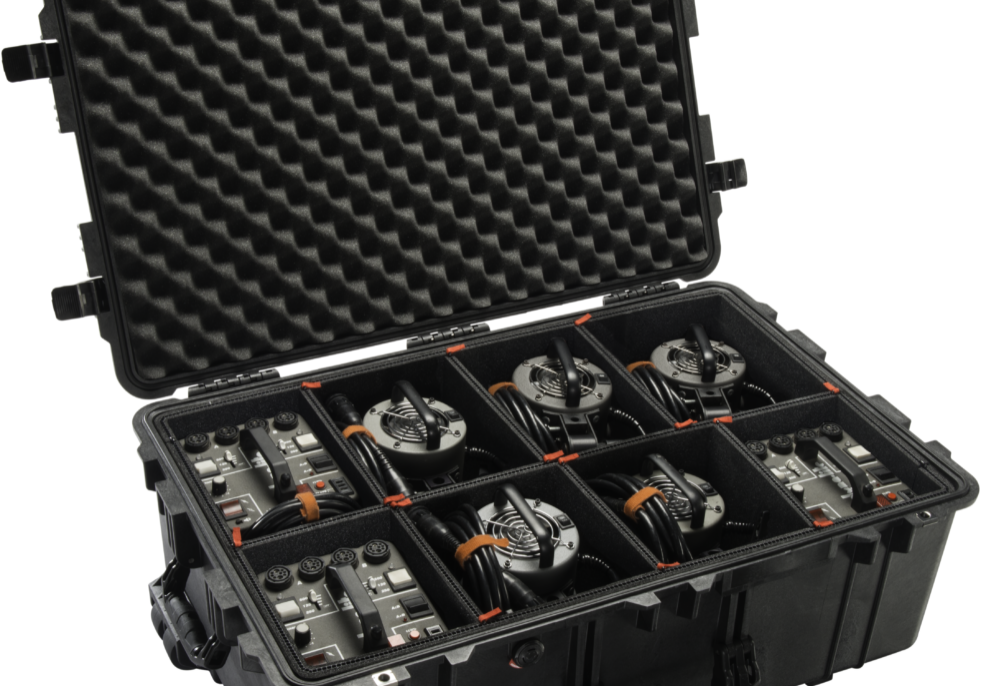
Foam inserts are a critical component of protective packaging solutions across countless industries, from medical device shipping to military equipment storage. Whether you’re safeguarding delicate electronics, organizing tools, or protecting precision instruments during transport, understanding the fundamentals of foam insert design can mean the difference between damaged goods and a mission accomplished.
This comprehensive guide explores the material science, fabrication techniques, and engineering considerations that go into creating effective foam insert systems.
Understanding Foam Insert Materials
The foundation of any successful foam insert design begins with material selection. Different foam types offer distinct properties that make them suitable for specific applications.
Polyethylene Foam (PE)
Polyethylene foam is one of the most versatile closed-cell foam options available. Its closed-cell structure means the foam consists of completely sealed air pockets, making it resistant to water absorption and providing consistent cushioning properties over time. PE foam excels in applications requiring chemical resistance and is available in densities ranging from 1.2 to 9 pounds per cubic foot.
This material offers excellent impact absorption and memory characteristics, meaning it returns to its original shape after compression. This makes PE foam particularly valuable when the insert must withstand repeated use. Common applications include tool organizers, equipment cases, and shipping containers for sensitive electronics.
Polyurethane Foam (PU)
Polyurethane foam encompasses both open-cell and closed-cell varieties, each serving different protective needs.
- Open-cell PU foam features interconnected air pockets that allow air and moisture to pass through, creating a softer, more conforming cushion. This type is good for cradling irregularly shaped items and provides excellent surface protection against scratches and abrasion. Formulated in various densities and firmnesses, closed-cell polyurethane offers firmer support and better moisture resistance and is commonly found in high-end protective cases and precision instrument packaging.
- Cross-Linked Polyethylene (XLPE) is an enhanced version of standard PE foam, with a molecular structure chemically or physically bonded to create superior strength and resilience. This process results in a foam with finer cell structure, improved compression resistance, and enhanced memory properties. Maintaining its protective characteristics across a wider temperature range than standard PE, it is frequently specified for projects where failure is not an option, such as military equipment, medical devices, and high-value electronics.
Expanded Polypropylene (EPP)
EPP foam has gained significant traction in recent years due to its remarkable energy absorption capabilities and extreme durability. Unlike many foams that degrade with repeated impacts, EPP maintains its protective properties through hundreds of compression cycles. This makes it ideal for reusable shipping containers and cases that experience frequent handling.
This material exhibits excellent chemical resistance, doesn’t absorb water, and can withstand temperature extremes from -40°F to 230°F. EPP’s only significant drawback is higher material cost compared to standard PE foam, though this is often offset by its extended service life.
Specialty Foams
Beyond these mainstream options, several specialty foams serve niche applications.
- Conductive foam, impregnated with carbon or metal particles, protects static-sensitive electronics by providing electrostatic discharge (ESD) protection.
- Military-grade foam must meet specific MIL-SPEC requirements for outgassing, flammability, and performance under extreme conditions.
- Medical-grade foams comply with biocompatibility standards and can withstand sterilization processes.
Fabrication Methods for Foam Inserts
Once you’ve selected the appropriate foam material, the fabrication method determines the precision, complexity, and cost-effectiveness of your insert design.
CNC Routing
Computer Numerical Control routing represents the most versatile fabrication method for foam inserts. A CNC router uses spinning cutting bits controlled by computer programming to carve foam into precise shapes and cavities. This process is ideal for creating complex three-dimensional geometries, variable-depth pockets, and intricate patterns, offering exceptional accuracy (typically within ±0.010 inches) that make it suitable for tight-fitting protective cavities. It handles foam thicknesses from a quarter inch up to several inches and can create special configurations that present challenges for other methods: angled walls, radiused edges, and undercuts.
The primary advantage of CNC routing lies in its flexibility. Design changes require only software updates rather than new tooling, making it cost-effective for prototypes and small to medium production runs. Modern CNC routers can also create texture patterns on foam surfaces to improve grip or aesthetics.
Die Cutting
Die cutting employs steel rule dies or rotary dies to punch shapes through foam material in a single press stroke. This method produces simple, through-cut shapes in high volumes with remarkable speed and consistency. A die cutting press can produce hundreds or thousands of identical inserts per hour, making it the most economical choice for large production runs.
The limitation of die cutting lies in its geometric constraints. The process works best for two-dimensional shapes with uniform depth. Creating stepped depths or complex three-dimensional features requires multiple dies and passes, increasing cost and complexity. Initial tooling costs for custom dies can be substantial, typically ranging from several hundred to several thousand dollars, depending on size and complexity.
Water Jet Cutting
Water jet cutting uses a high-pressure stream of water, sometimes mixed with abrasive particles, to slice through foam material. This cold-cutting process generates no heat, preventing foam from melting or distorting during cutting. Water jet systems can handle extremely thick foam sections and create intricate patterns with minimal material waste.
This technology offers particular advantages when working with chemically sensitive foams or when creating complex nesting patterns to maximize material utilization. It produces clean edges without the dust associated with mechanical cutting methods, making it suitable for clean room manufacturing environments.
One disadvantage of water jet cutting is that the foam must be thoroughly dried before installation, because residual moisture can cause mold or rust to develop on critical components.
Laser Cutting
Laser cutting employs focused laser beams to vaporize foam material along programmed paths. This non-contact method produces exceptionally clean edges and can create extremely fine details that are beyond the scope of mechanical cutting. Laser systems excel at cutting thin foam sheets with complex patterns and can easily handle design changes through software updates.
However, laser cutting has limitations with foam. The process works well with certain foam chemistries but can cause melting or discoloration with others. Thicker foam sections may show taper in the cut edges, and the heat generated can affect foam properties near the cut line. Despite these constraints, laser cutting remains valuable for specialized applications requiring extreme precision.
Hand Fabrication
For prototype development, one-off custom projects, or very low-volume production, hand fabrication remains relevant. Skilled craftspeople use hot wire cutters, band saws, and manual routing tools to create foam inserts based on templates or direct measurement of items to be protected.
While lacking the precision and repeatability of automated methods, hand fabrication offers the ultimate in flexibility. It allows for on-the-fly adjustments and problem-solving that automated systems can’t match. Many successful foam insert designs begin as hand-fabricated prototypes that later transition to automated production.
Molded Foam
For high volumes of complex shapes, molded foam offers high durability and a precise, contoured fit. Because of the upfront tooling costs, this approach is generally recommended for very high volumes.
Engineering Best Practices for Foam Insert Design
Effective foam insert design requires the careful balancing of multiple engineering considerations to achieve optimal protection, ease of usability, and cost-effectiveness.
Compression and Clearance
One of the most critical design decisions involves determining the proper relationship between the item being protected and the foam cavity. A cavity that’s too tight creates insertion and removal difficulties, with possible damage to the item or foam. A cavity that’s too loose fails to provide adequate protection against impact and vibration.
The ideal compression typically ranges from 10% to 25% of the foam’s uncompressed thickness around the item. This provides secure retention while allowing for manufacturing tolerances in both the foam insert and the items being protected. For fragile items, designers should target the lower end of this range to minimize stress on the object. Items requiring quick access or frequent removal benefit from compression closer to 10%.
Wall thickness between adjacent cavities should generally maintain a minimum of half an inch for standard-density foams to prevent structural weakness. High-traffic areas or sections bearing significant loads may require thicker walls. Creating test samples with varying compression levels helps identify the optimal balance for specific applications.
Multi-Layer Design Strategy
Rather than attempting to carve everything from a single foam thickness, complex foam insert designs often benefit from a multi-layer approach. This strategy offers several advantages:
- Simplified fabrication, reducing the depth of individual cuts
- A mix of foam densities or types, for separation between layers of equipment
- Easier modification or replacement of individual layers
A typical multi-layer design might include a firm base layer for structural support, a middle layer with deep cavities for primary equipment storage, and a soft top layer for additional cushioning and environmental sealing. This approach also enables clever storage solutions like hidden compartments beneath false bottoms or specialized layers for accessories and documentation.
Radius and Fillet Application
Sharp internal corners in foam cavities create stress concentration points where foam is likely to tear or degrade over time. Applying radii or fillets to internal corners distributes stress more evenly and significantly extends foam life. The minimum radius should generally equal at least one-quarter of the foam wall thickness.
External corners benefit from chamfers or radius edges as well, reducing the likelihood of damage from handling and improving the overall aesthetic appearance. For inserts that will see rough handling or be stacked, generous radii on all external edges help prevent crushing and tearing.
Ergonomic Considerations
A well-engineered foam insert will be designed for handling in the real world. Finger relief cuts or thumb holes make removing tightly fitted items much easier and reduce the risk of damage from prying. These features should be sized and positioned based on typical hand dimensions and natural grasping motions.
For inserts containing multiple items, logical organization and clear visual hierarchy help users quickly locate what they need. Color-coded foam layers, laser-etched labels, or contrasting foam colors can identify storage locations. Visual inventory management becomes possible when empty cavities are immediately obvious.
In portable cases, weight distribution matters. Heavier items should be positioned low and centered to maintain comfortable carrying balance. When designing inserts for cases with handles, ensure the loaded center of gravity aligns with the handle position.
Environmental Protection
Foam inserts often serve as the last line of defense against environmental hazards. Closed-cell foams provide inherent moisture resistance, but design features can enhance protection. Contouring the top layer to create a slight compression fit forms a seal that keeps dust and moisture away from stored items.
For applications involving extreme temperatures, foam selection becomes critical. Some foams outgas or become brittle at temperature extremes, while others maintain their properties across wide temperature ranges. Designs for cold storage applications should account for the slight stiffening of most foams at low temperatures, which may require slightly larger clearances.
Wear Pattern Analysis
High-use inserts develop wear patterns that provide valuable design feedback. Observe where foam compresses, tears, or shows discoloration, then consider:
- Reinforcing high-wear areas with denser foam or adding a protective film
- Creating angled cavities that guide items into place and reduce wear.
- Tapering lead-ins to help users start items into tight cavities more easily
Retention Features
Beyond simple cavity design, incorporating elastic straps, velcro straps, snap-fit tabs, or magnetic closures secure critical items and prevent them from bouncing out during impact or vibration while still maintaining easy access. These features are particularly important for inserts in cases that may be opened while inverted or subjected to significant motion.
Friction alone provides retention for many applications. The compression fit between item and foam creates sufficient holding force for normal handling. However, applications involving significant acceleration forces, like military or aerospace uses, typically require positive mechanical retention.
Quality Control and Testing
A critical step is validating that the insert performs as intended across its expected use conditions. Drop testing simulates the most common failure mode by subjecting packaged items to impacts from various heights and orientations. Industry standards like ISTA procedures provide structured testing protocols that predict how packages will perform in the real world of transportation, storage, and use.
- Vibration testing reveals whether items might work loose during transport. This is particularly critical for items with protrusions or delicate features that could break from repetitive small movements.
- Temperature cycling ensures foam maintains its properties and items remain protected across expected storage and transport conditions.
- Accelerated aging tests, where inserts undergo hundreds or thousands of insertion and removal cycles, predict long-term durability. This testing often reveals design weaknesses invisible in short-term evaluation and allows refinement before full production.
Cost Optimization Strategies
While foam inserts must provide adequate protection, cost considerations still affect most projects. The good news is that specialty foams commanding premium prices are not always necessary. Standard foam thicknesses that suppliers stock in volume cost less and, in cases where the protection of delicate items or precision instruments is not a concern, perform satisfactorily.
Other cost-cutting strategies include nesting cavity layouts that maximize material utilization while reducing waste. Modern CAD software can optimize cutting paths to minimize both material waste and fabrication time. For large projects, even small improvements in material efficiency compound into significant savings.
Your production method should match project volume and complexity. For example, CNC routing offers flexibility for short runs but may not compete with die cutting at high volumes. Understanding the break-even points between different fabrication methods helps optimize costs.
Conclusion
Effective foam insert design combines material science, fabrication expertise, and engineering principles to create protection solutions that are reliable, cost-effective, and user-friendly. Success requires that you and your team:
- Understand how different foam types behave under stress
- Select fabrication methods appropriate to your volume and complexity requirements
- Apply proven design principles that account for both protection needs and practical usability
Whether you’re designing your first foam insert or refining an existing solution, these fundamentals provide a solid foundation. The best designs evolve through iteration, testing, and real-world feedback. Start with these principles, prototype your concepts, and then base further refinements on actual performance to create foam inserts that truly meet your needs.
Investing your time, effort, and money now in proper foam insert design will pay dividends over time through reduced damage rates, improved organization, and enhanced user satisfaction. As you develop expertise in this field, you’ll find that well-engineered foam inserts become a competitive advantage that distinguishes your products or operations from those of competitors who treat packaging as an afterthought.
Take the First Step
If you’re specifying packaging for a defense program, aerospace system, or critical equipment application, contact Packaging Strategies for a consultative material evaluation. Packaging Strategies’ engineering team will review your requirements, recommend the optimal material and construction approach, and provide detailed specifications and quotations—typically within 24-48 hours.
Unlike vendors committed to a single manufacturing process, Packaging Strategies’ recommendations are driven by what works for your application. That’s the advantage of working with a partner who manufactures multiple materials in-house and maintains vendor relationships to provide any solution your program requires.
Contact Packaging Strategies:
- Phone: 410-547-7877
- Email: sales@psicases.com
- Start your quote online
Your equipment is too important to trust to guesswork. Work with the packaging partner who has the expertise and manufacturing capabilities to recommend the solution that protects your investment.
Packaging Strategies Incorporated: Delivering rugged cases engineered to your payload’s weight, size, and vulnerability with shock and environmental testing available. Serving defense contractors, aerospace companies, and government agencies since 1990.