When your mission-critical equipment needs protection during transport or storage, off-the-shelf solutions rarely provide the perfect fit. While custom equipment cases offer tailored protection, many buyers feel uncertain about the design and manufacturing process. This comprehensive guide walks you through each stage of technical packaging development, from your initial inquiry to the moment your cases arrive at your facility.
Understanding the Custom Case Design Journey
Custom equipment case design is a collaborative process that typically spans 4-8 weeks, depending on production volume and the complexity of your unique specifications. Whether you’re protecting sensitive medical devices, audio-visual equipment, military hardware, or industrial tools, the fundamental process remains consistent.
Stage 1: Request for Quote (RFQ) and Initial Consultation
The process begins when you submit a request for a quote. This crucial first step sets the foundation for everything that follows.
What Information You’ll Need to Provide
To receive an accurate quote, manufacturers need specific details about your project:
- Equipment dimensions and weight
- Protruding elements and/or fragile components
- Intended use, from how cases will be shipped to where
they will be deployed
- Quantity of cases needed and a projected timeline
- Special features (wheels, handles, foam configurations, etc.)
The Consultation Process
Within 24-48 hours of your RFQ submission, a technical packaging specialist typically reaches out to discuss your needs. This conversation goes beyond the basic specifications. The specialist asks probing questions, digging deeper into the topics mentioned above, plus any regulatory requirements you must meet. They may inquire about budget parameters and explore whether you need a one-time production run or anticipate ongoing orders.
This consultation serves a dual purpose: it helps the manufacturer understand your requirements while educating you about available options and industry best practices you might not have considered.
Stage 2: Detailed Specification Development
After the initial consultation, the manufacturer develops detailed specifications for your custom case.
Technical Assessment
Engineers review your equipment dimensions and create preliminary case specifications. Their calculations include:
- Optimal interior dimensions with appropriate clearances
- Wall thickness and structural requirements based on equipment
weight and fragility
- Suitable materials (rotomolded polyethylene, injection-molded
resin, thermoformed plastic, or composite)
Feature Planning
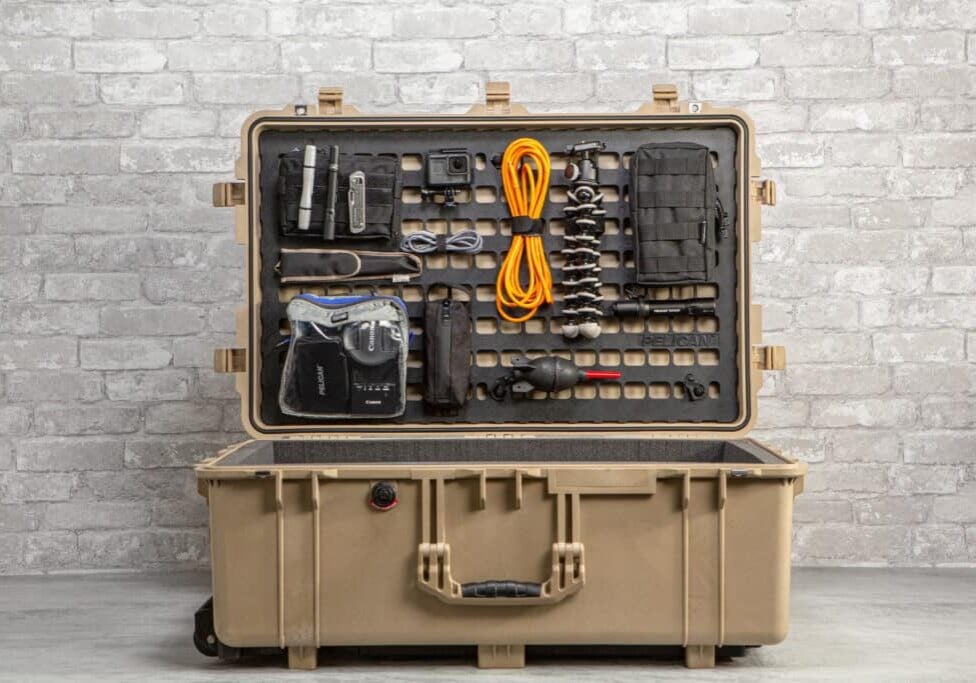
The design team maps out the case features, including closure systems ranging from simple latches to advanced locking mechanisms, handle configurations for carrying and lifting, pressure relief valves for air travel or altitude changes, and environmental sealing to achieve specific IP ratings for dust and water resistance.
Foam Interior Design
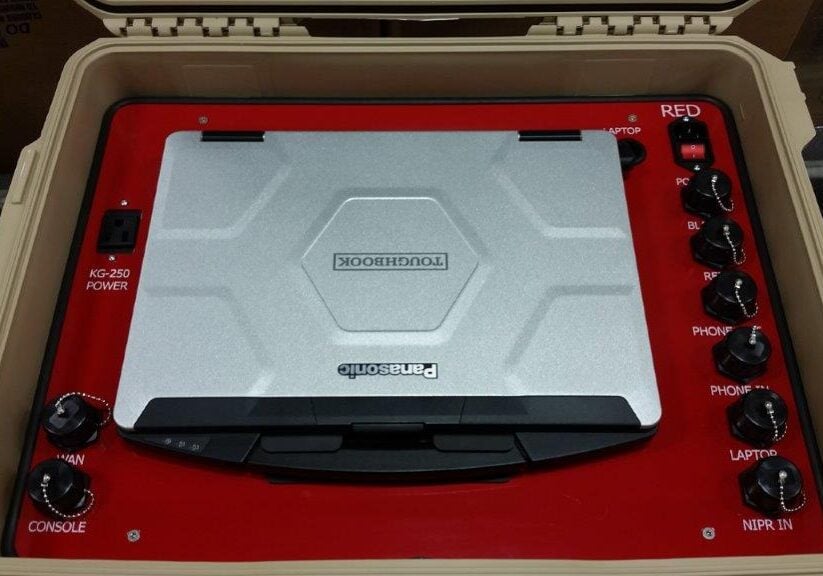
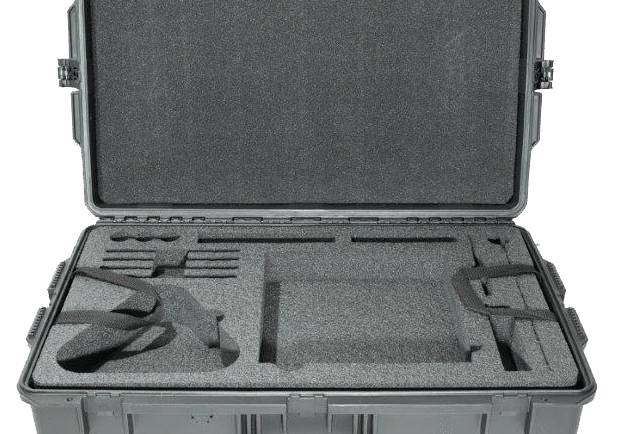
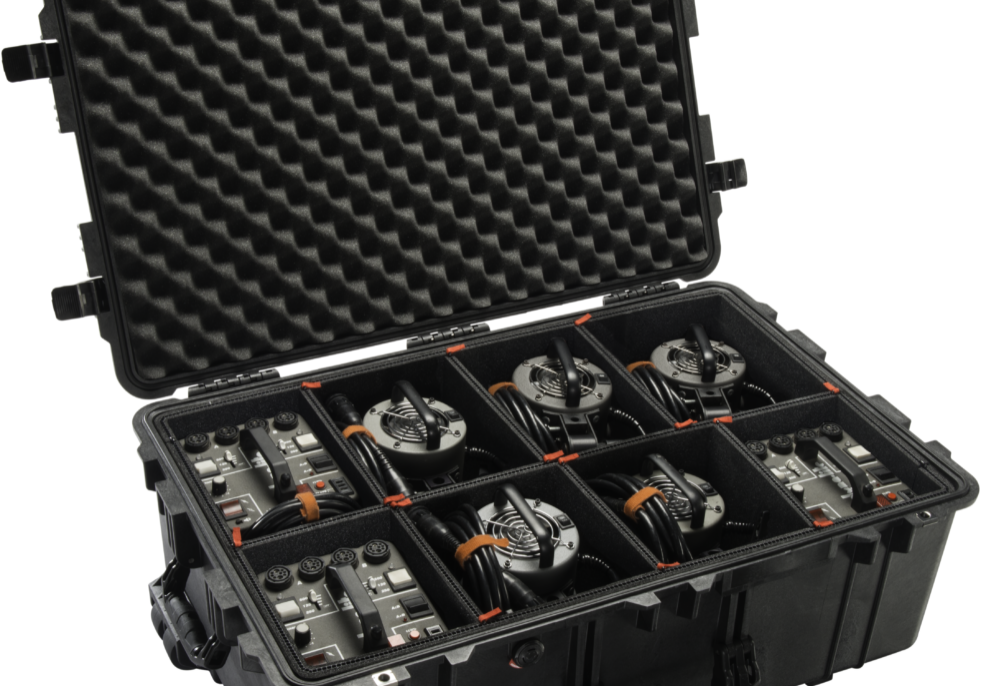
For most equipment cases, interior foam design proves critical. Designers determine whether to use pick-and-pluck foam for flexibility, custom-cut foam for precise fitment, or layered foam systems for multiple items. They also calculate the foam density and thickness needed to protect against impact and vibration.
Stage 3: Design Review and Approval
With specifications complete, you receive a detailed proposal for review.
What You’ll Receive
The proposal package typically includes:
- Technical drawings showing exterior dimensions and features
- Interior layout diagrams with foam configurations, material
specifications and performance ratings
- A detailed quote breaking down costs by component
- A production timeline with key milestones
Review and Revision
This is your opportunity to request modifications. Common revision requests involve adjusting interior layouts to accommodate additional accessories, adding or removing features like document pouches or accessory compartments, changing handle or wheel configurations, and modifying aesthetic elements such as colors or branding placement.
Most manufacturers include one or two revision rounds in their standard process. Complex projects might require additional review cycles to perfect the design.
Stage 4: Prototyping (When Applicable)
For large orders, complex designs, or mission-critical applications, prototyping offers invaluable validation.
When Prototyping Makes Sense
Consider requesting a prototype if your project involves any of these elements:
- Orders of 50 or more units
- Cases for equipment worth tens of thousands of dollars
- Cases that must meet strict regulatory standards
- A case design you plan to reorder regularly
The Prototype Evaluation Process
Once you receive the prototype, conduct thorough testing. Load your actual equipment to verify the fit and protection level. Test all features—latches, handles, wheels, and locks—under realistic conditions. Evaluate whether the case meets your handling and transport requirements. Assess the foam’s protection by simulating typical impact scenarios. This hands-on evaluation often reveals minor adjustments that significantly improve the final product.
Stage 5: Production
After design approval, your cases enter the production queue.
Manufacturing Timeline
Production timelines vary based on manufacturing method and complexity.
Production Milestones
Reputable manufacturers provide progress updates at key stages, informing you when production begins, when cases complete molding or forming, when foam cutting and assembly occurs, and when quality inspection passes.
Stage 6: Quality Control and Inspection
Before cases leave the facility, they undergo rigorous quality control.
Standard Quality Checks
Inspectors verify dimensional accuracy against approved specifications, test all functional components—latches, hinges, valves, and locks. They examine surface finish for defects or irregularities, confirm foam placement and fitment, and check custom branding or labeling applications.
Performance Testing
Depending on your requirements, cases may undergo additional testing, including drop tests to simulate shipping and handling impacts, pressure tests for air-tight cases, water resistance tests for specific IP ratings, and temperature cycling for extreme environment applications.
Stage 7: Packaging and Shipping
Next, your custom cases are carefully prepared for delivery.
Packaging Considerations
Cases are packaged to prevent damage during transit, often nested or stacked efficiently, protected with corner guards and strapping, and labeled clearly with handling instructions. For large orders, manufacturers optimize packaging to maximize container or truck capacity.
Shipping and Logistics
You’ll receive tracking information and estimated delivery dates. Most manufacturers offer various shipping options to balance speed and cost. For international orders, they handle customs documentation and compliance requirements.
Stage 8: Delivery and Post-Delivery Support
The process doesn’t end when cases arrive at your facility.
Receiving Inspection
Upon delivery, inspect your order promptly.
- Verify that the quantity matches your purchase order
- Spot-check cases for any shipping damage
- Test several units with your actual equipment
- Review included documentation (user guides, care instructions, etc)
Ongoing Support
Quality manufacturers stand behind their products with warranty coverage for defects in materials and workmanship, availability of replacement parts for latches, handles, and other components, and reordering support for additional foam inserts or duplicate cases. Many also offer design modification services for future orders.
Common Questions Throughout the Process
Can I Make Changes After Approval?
Before production begins, minor changes often pose no problem. Once production starts, modifications become difficult and potentially costly. This is why thorough review during the approval stage is crucial.
What If My Equipment Changes?
Manufacturers can often modify foam inserts more easily than the custom case shell itself. Many buyers order cases with slightly larger interiors or modular foam systems to accommodate future equipment variations.
How Do I Handle Large Volume Orders?
For orders exceeding 100 units, many manufacturers offer phased production that allows you to approve a small initial batch before committing to full production. This approach provides additional validation while maintaining production efficiency.
Keys to a Successful Custom Case Project
Several factors contribute to smooth custom case development.
- Start early—the correct case for your application can take time to develop, construct, test, and deliver
- Communicate clearly about your requirements and constraints
- Be realistic about timeline expectations, especially for complex designs
- Remain open to manufacturer recommendations—they bring
expertise from hundreds of similar projects
- If ordering prototypes, plan for testing time
- Factor in shipping duration when planning your project timeline
Making Your Custom Case Investment Count
Custom equipment cases represent a significant investment in protecting valuable assets. Understanding the design and manufacturing process helps you partner effectively with your case manufacturer to make informed decisions at each stage of the process. The extra time and effort you spend now will pay continuous dividends in reduced equipment damage, lower replacement costs, and peace of mind knowing your assets are protected by cases designed precisely for your needs.
Take the First Step
If you’re specifying packaging for a defense program, aerospace system, or critical equipment application, contact Packaging Strategies for a consultative material evaluation. Packaging Strategies’ engineering team will review your requirements, recommend the optimal material and construction approach, and provide detailed specifications and quotations—typically within 24-48 hours.
Unlike vendors committed to a single manufacturing process, Packaging Strategies’ recommendations are driven by what works for your application. That’s the advantage of working with a partner who manufactures multiple materials in-house and maintains vendor relationships to provide any solution your program requires.
Contact Packaging Strategies:
- Phone: 410-547-7877
- Email: sales@psicases.com
- Start your quote online
Your equipment is too important to trust to guesswork. Work with the packaging partner who has the expertise and manufacturing capabilities to recommend the solution that protects your investment.
Packaging Strategies Incorporated: Delivering rugged cases engineered to your payload’s weight, size, and vulnerability with shock and environmental testing available. Serving defense contractors, aerospace companies, and government agencies since 1990.