When mission-critical equipment is damaged in transit, delayed in deployment, or sidelined by preventable rework, the problem can often be traced back to how the case was specified. Custom case procurement teams and engineers face constant pressure to move fast, control costs, and “get it right the first time.” Yet for all their good intentions, custom case projects often run into problems due to flawed assumptions made early in the process.
The most common misconception: a case is just a box

Instead, think of a custom case as an integral part of the system. It has a decisive impact on equipment readiness, operational reliability, and total program cost. What follows is a rundown of the most common procurement pitfalls and how disciplined, engineering-led decisions can prevent them.
Pitfall #1: Starting With the Case Instead of the Payload
Many case specifications begin with external dimensions, stacking requirements, or pallet constraints. Meanwhile, the fragility, weight distribution, access points, and service requirements of the payload itself are secondary considerations. The result is a case that technically fits the equipment but fails to protect it or slows deployment in the field.
How to Ensure Custom Case Procurement Success
Proper case design starts with the payload, not the shell. These key questions should drive every decision:
- What is the payload’s true weight and center of gravity?
- Which components are shock-sensitive?
- How frequently will the equipment be accessed?
- Will it be serviced in the case or removed entirely?
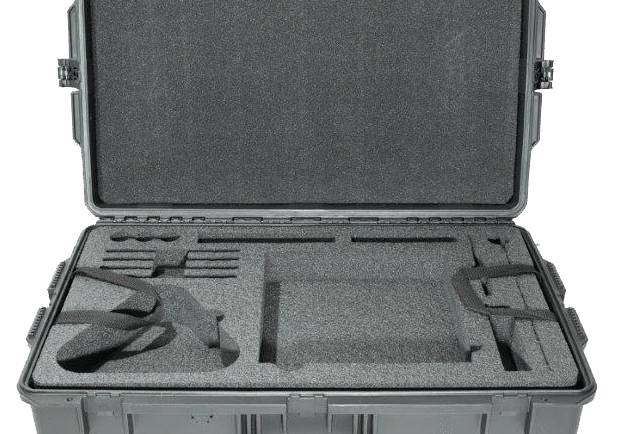
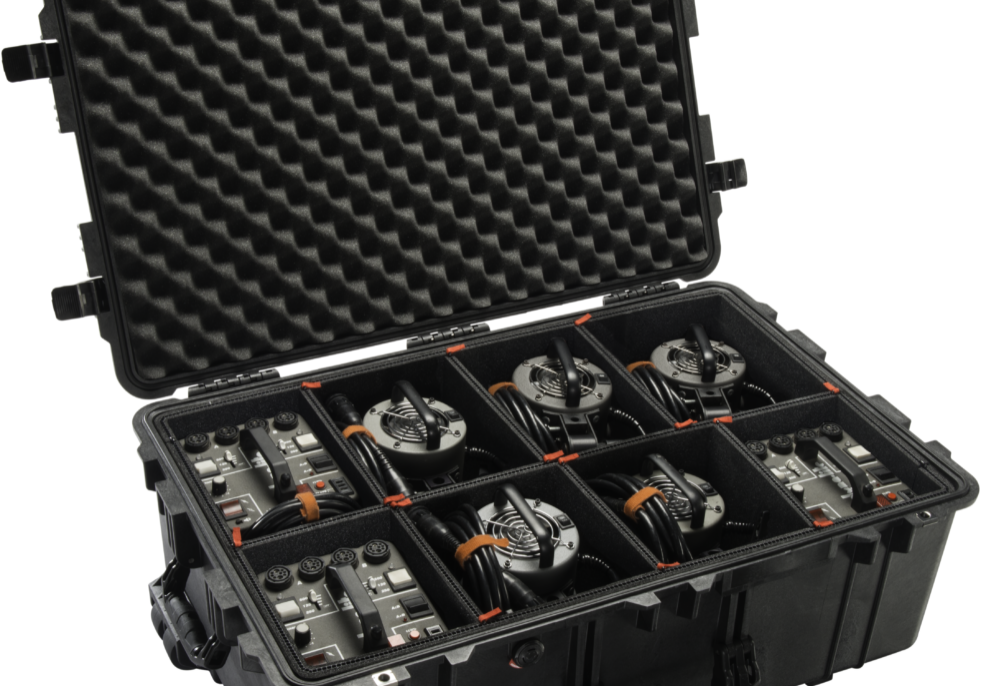
From there, internal cushioning systems and access features can be engineered to support the equipment’s real-world use. In other words, great cases are engineered from the inside out.
Pitfall #2: Viewing “Custom” as a Cosmetic Upgrade
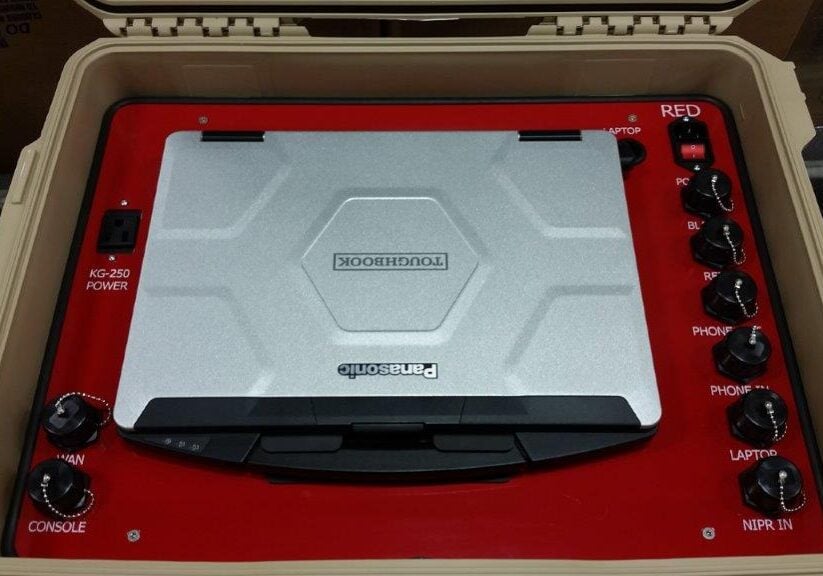
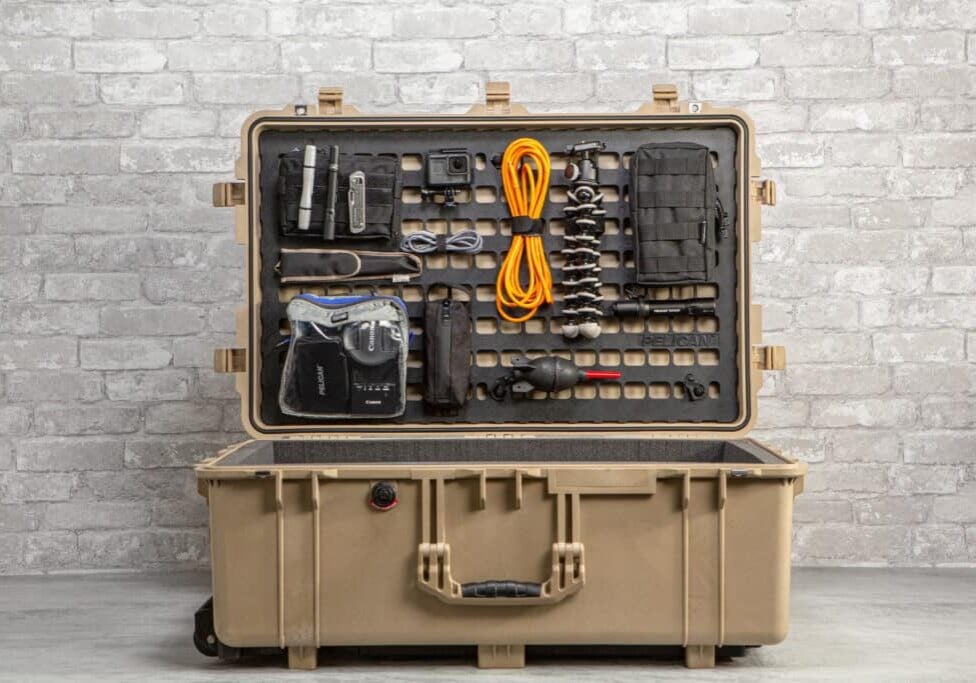
“Custom” is often misunderstood as a logo, color change, or minor dimensional tweak applied to a stock case. While this approach can look cost-efficient on paper, it frequently involves long-term risk. Stock cases used for purposes beyond their intended application may lack:
- Adequate structural reinforcement
- Proper foam geometry
- Environmental sealing for the use environment
How to Ensure Custom Case Procurement Success
True customization goes far beyond logos and tweaks. It includes:
- Material selection aligned to shock and environmental exposure
- Structural design tailored to payload weight and handling
- Engineered foam systems designed for repeatable use and protection
- First-article validation testing to confirm performance
Stock cases can serve appropriately when their design genuinely matches the application. Otherwise, the initial cost savings can be more than outweighed through damage, replacement, and downtime.
Pitfall #3: Underestimating Environmental and Use Conditions
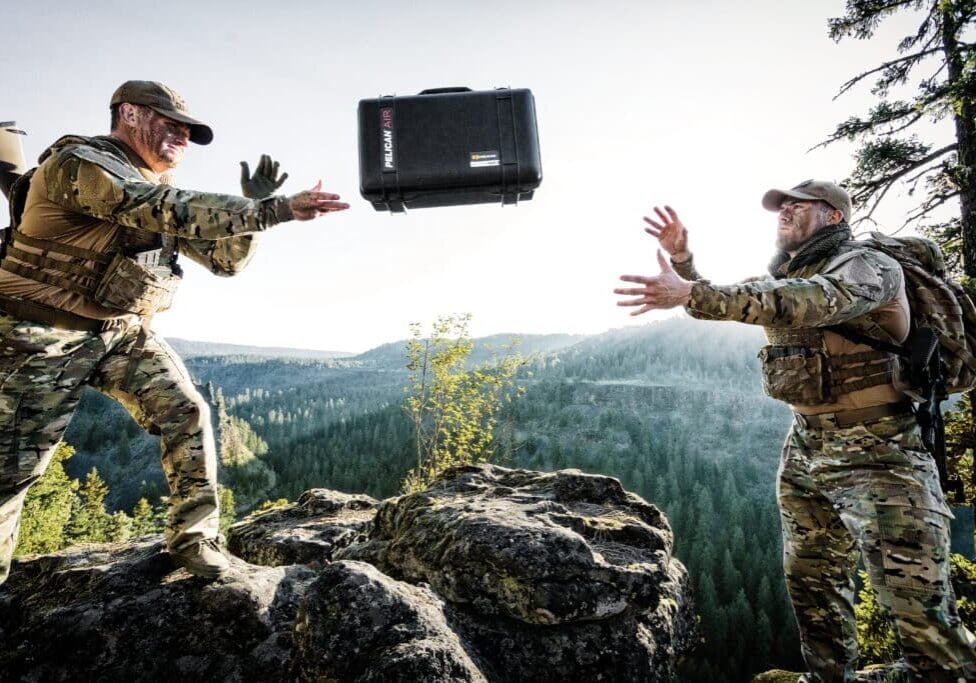
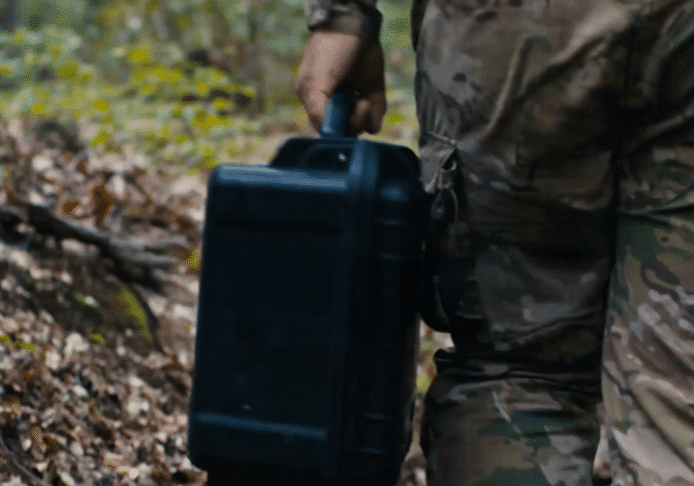
Cases that perform well in a controlled shipping environment may fail once exposed to vibration, moisture, temperature swings, or field handling in the real world. The case survives transit but risks failure in deployment.
How to Ensure Custom Case Procurement Success
Procurement teams should consider the full lifecycle of the case:
- Transportation modes (air, ground, sea)
- Storage duration and conditions
- Frequency of accidents, drops, or other impacts
- Exposure to dust, moisture, and electrostatic discharge
Of course, determining long-term durability requires testing, and testing involves extra costs. For any procurement team, it’s a question of calculated risk, weighing the cost of testing now against the mission criticality of the equipment the case protects, and the consequences of possible equipment failure.
Pitfall #4: Skipping Prototyping and First-Article Validation
Accelerated timelines to produce mission-critical equipment often leave little or no time for the proper design of the case that protects that equipment. Issues of fit, access, and ergonomics emerge only after delivery, when changes are most expensive.
How to Ensure Custom Case Procurement Success
Time spent in prototyping and first-article validation can go far in preventing rework, schedule delays, and budget creep.
- 3D models confirm fit and clearances
- Physical samples validate access and handling
- First articles reveal real-world usability issues
The more complex or high value the program, the greater the long-term savings.
Pitfall #5: Choosing Vendors Who Lack In-House Engineering
Some vendors look capable on paper but lack real, hands-on experience. Learning as they go, they may apply generic solutions or misunderstand your mission-critical requirements. This can lead to slow problem-solving, avoidable rework, and unclear accountability.
How to Ensure Custom Case Procurement Success
The strongest partner brings deep, demonstrated experience. They understand the constraints of budgets, timelines, and testing. They know where case procurement programs can break down, so they know how to make them succeed. That experience translates into:
- Faster, more confident decision-making
- Fewer design and execution missteps
- Predictable outcomes during validation and scale-up
Clear communication, realistic timelines, and better outcomes are far more likely when you work with a partner who’s done it before and can apply those lessons directly to your program.
Pitfall #6: Optimizing for Unit Cost Instead of Total Cost
The lowest bid often looks like the best deal. Until replacement cases, damaged equipment, and operational downtime start eating up the initial savings.
How to Ensure Custom Case Procurement Success
Procurement decisions should evaluate total cost of ownership:
- Expected lifespan
- Durability under real conditions
- Reusability and repairability
- Risk mitigation value
As with so many other business decisions, higher upfront investment frequently delivers lower long-term cost.
What “Right” Looks Like: A Smarter Procurement Approach
Successful custom case programs share these common principles:
- Payload-first engineering
- True, engineering-led customization
- Prototyping and validation before scale
- Lifecycle cost evaluation
- One accountable partner from concept through production
What might look like time-consuming extra steps are truly essential safeguards, mitigating damage in transit, delays in deployment, and costly rework.
In Conclusion: The Case Is an Essential Part of the System

A custom case is not packaging. It is infrastructure. When carefully, correctly specified, it protects equipment, supports deployment, and reduces long-term costs. Otherwise, it becomes an inevitable liability. Asking critical questions earlier in the procurement process can save months of delay and thousands of dollars down the road.
Take the Next Step
If you’re specifying packaging for a defense program, aerospace system, or critical equipment application, contact Packaging Strategies for a consultative material evaluation. Packaging Strategies’ engineering team will review your requirements, recommend the optimal material and construction approach, and provide detailed specifications and quotations—typically within 24-48 hours.
Unlike vendors committed to a single manufacturing process, Packaging Strategies’ recommendations are driven by what works for your application. That’s the advantage of working with a partner who manufactures multiple materials in-house and maintains vendor relationships to provide any solution your program requires.
Contact Packaging Strategies:
- Phone: 410-547-7877
- Email: sales@psicases.com
- Start your quote online
Your equipment is too important to trust to guesswork. Work with the packaging partner who has the expertise and manufacturing capabilities to recommend the solution that protects your investment.