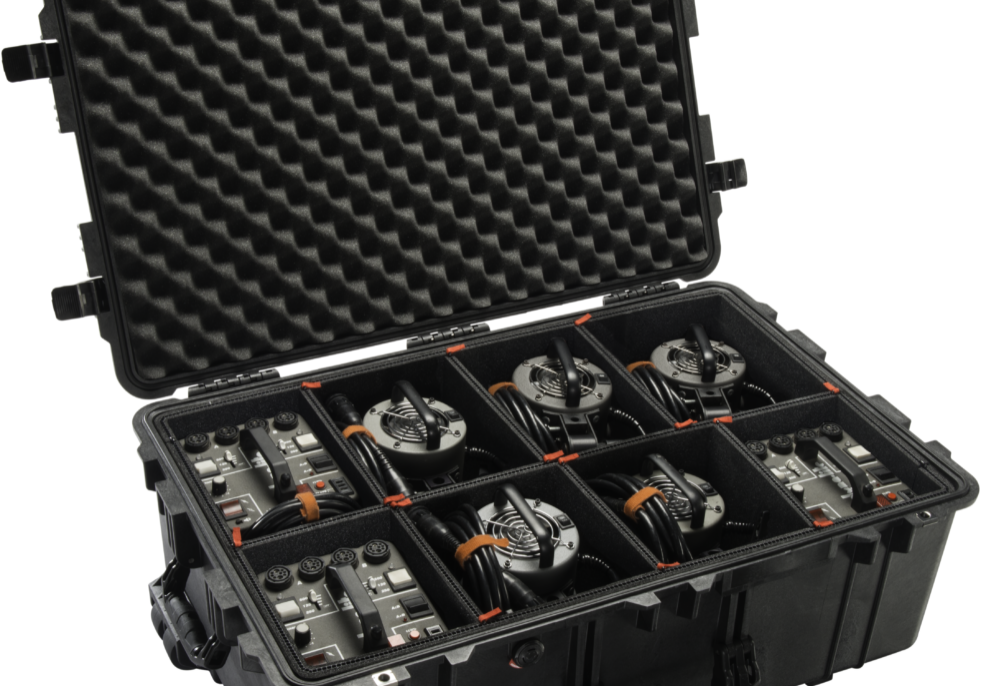
Rotomolded Cases vs. Injection Molded Cases vs. Aluminum Cases
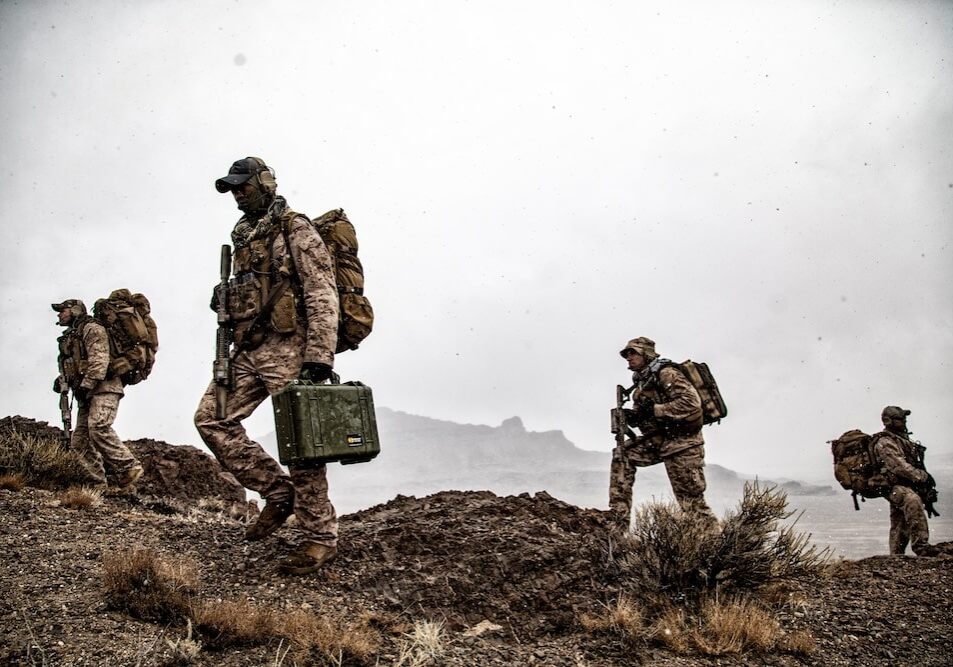
When your sensitive equipment demands custom packaging, selecting the right case material becomes as mission-critical as your application. Engineers designing new product lines and procurement professionals face a fundamental question: which material will reliably protect equipment from the warehouse to the battlefield?
Aluminum, rotomolded plastic and injection-molded plastic each offer distinct performance characteristics for specific applications. This guide provides the technical comparison and decision framework you need to select the optimal material based on real-world performance data.
Understanding the Three Primary Transit Case Materials
Rotomolded Cases: Ultimate Durability for Harsh Environments
Rotational molding creates seamless cases with uniform wall thickness and exceptional structural integrity, which is ideal for severe-duty applications.
Key Strengths of Rotomolded Cases:
- Superior impact resistance through elastic deformation (6-foot+ drop performance)
- Wide temperature range (-60°F to 180°F)
- Excellent chemical resistance to petroleum, solvents, and cleaning agents
- Seamless construction eliminates failure points
- Variable wall thickness optimization for specific protection zones
- Lower tooling costs than injection molding for low-to-medium volumes
- Able to mold larger sizes than injection mold cases
Best For: Large, heavy equipment (40+ lbs), military applications with extreme shock exposure, harsh chemical environments, complex geometries with molded-in features, and outdoor storage applications.
Engineering Advantages: Metal inserts captured during molding for mounting points, stress-free construction, ability to mold equipment cradles and cable channels directly into case walls.
Injection-Molded Cases: Precision Engineering for High-Volume Production
Injection molding creates cases with tight tolerances and integrated features—optimal when production volumes justify tooling investment.
Key Strengths of Injection-Molded Cases:
- Dimensional precision (±0.005 inches) for critical fit
- Fast cycle times enable cost-effective high-volume manufacturing
- Hinges, latches, and mounting features molded directly into the structure
- Thin-wall technology reduces weight while maintaining strength through strategic ribbing
- Superior surface finish with branding integration
Best For: Medium equipment (5-40 lbs) requiring precise dimensions, high production volumes (500+ units), fleet applications needing consistency, programs requiring integrated mounting systems, and applications where professional appearance matters.
Engineering Advantages: Repeatable dimensions for rack-mounting, optimized strength-to-weight through rib design, multiple material options.
Aluminum Cases: Lightweight Strength for Specific Applications
Aluminum cases offer proven light weight and structural rigidity, ideal for applications where every pound matters.
Key Strengths of Aluminum Cases:
- Excellent weight-to-strength ratio for aviation applications
- Temperature stability across extreme ranges (-40°F to 160°F+)
- Natural EMI/RFI shielding for sensitive electronics
- IP67 waterproof capability when properly gasketed
Best For: Portable electronics requiring EMI protection, aviation equipment with strict weight limits, and applications requiring a secure appearance.
Key Limitations: Vulnerable to denting under stacking loads, corrosion concerns in saltwater environments, and limited customization versus molded plastics.
Material Performance Comparison: Critical Selection Factors
Impact Resistance and Environmental Sealing
- Aluminum absorbs impact through controlled deformation, which is good for 4-foot drops, but denting can compromise gasket sealing. Achieves IP67 ratings when properly gasketed, though dents create seal failure risks under stacking loads.
- Rotomolded plastic excels through elastic deformation, commonly demonstrating 6-foot+ drop performance with maintained seal integrity. Seamless construction eliminates joint failure points. Thick walls maintain gasket compression under heavy stacking.
- Injection-molded plastic performance varies by material and design—well-engineered cases with strategic ribbing can match rotomolded performance in controlled environments. Precision molding ensures consistent gasket grooves.
Engineering Guidance: Severe shock exposure (military transport) favors rotomolded. Controlled environments with occasional impacts suit injection molded or aluminum.
Weight and Temperature Performance of Injection-Molded Plastic vs. Rotomolded Plastic vs. Aluminum
Weight considerations
Aluminum offers the best strength-to-weight ratio for smaller cases (<24″ dimensions). Injection molding achieves excellent weight efficiency through thin-wall construction. Rotomolded trades weight for durability, though the gap narrows for larger cases.
Temperature ranges
Aluminum maintains stability from -65°F to 200°F+. Low-density polyethylene (LDPE) performs up to 100–120°F and high-density polyethylene (HDPE) performs up to 140–190°F.
Chemical Resistance and Customization
Chemical resistance
Rotomolded polyethylene excels against petroleum products, solvents, and saltwater—critical for field servicing. Aluminum requires protective coatings to prevent corrosion. Injection molded varies by resin (glass-filled nylons approach rotomolded performance).
Customization capabilities
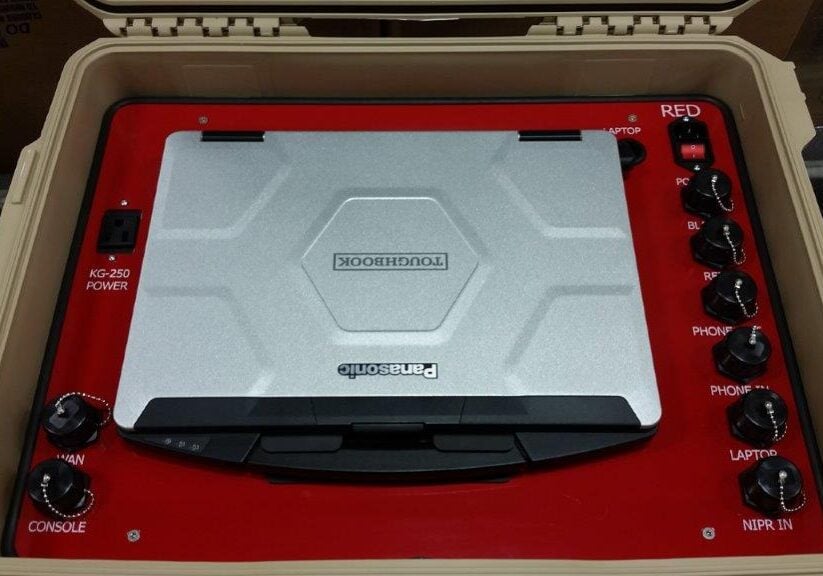
Rotomolded cases excel at molding complex features (mounting bosses, cable channels, equipment cradles) directly into a structure with captured metal inserts. Injection molding offers the highest precision for molded features, but extreme complexity may require multi-part assembly. Aluminum customization requires post-manufacturing operations (drilling, tapping), which increase cost and production time.
Material Selection Decision Matrix
When specifying your custom case, you are likely weighing several factors that are essential for your case’s performance and the protection of the assets inside. The chart below provides a general guideline for material and manufacturing method selection based on these factors. When you work with experts like ours at Packaging Strategies, we guide you through the selection process when the desired characteristics of your custom case indicate different materials or manufacturing methods.
| Rotomolding | Injection Molding | Aluminum | |
| Equipment weight exceeds 40 lbs | ✔️ | ||
| Severe impact exposure expected | ✔️ | ||
| Equipment weight 5-40 lbs with professional appearance requirements | ✔️ | ||
| Moderate impact exposure expected | ✔️ | ✔️ | |
| Maximum weight savings critical (aviation) | ✔️ | ||
| Chemical/saltwater exposure likely or outdoor storage required | ✔️ | ||
| Complex internal mounting features needed | ✔️ | ||
| Complex molded-in features optimize assembly | ✔️ | ||
| Precise internal dimensions critical (rack mounting, fleet consistency) | ✔️ | ||
| Production volume under 500 units | ✔️ | ||
| Maximum durability justifies weight premium | ✔️ | ||
| Production volume exceeds 500 units | ✔️ | ||
| EMI/RFI shielding required | ✔️ |
Application-Based Selection Examples
| Rotomolding | Injection Molding | Aluminum | |
| Military Ground Systems (20-100+ lbs) | ✔️
Best for severe shock resistance, chemical resistance to fuels/lubricants, and environmental sealing for dusty environments |
||
| Portable Communication Systems (5-25 lbs) | ✔️
Best for fleet consistency, precision electronics mounting, and integrated antenna pass-throughs |
||
| Aviation Equipment | ✔️
Best for ground support equipment where durability is the main priority |
✔️
Best for when every pound matters and EMI shielding is required |
|
| Aerospace Ground Equipment | ✔️
Handles transport shock and provides long-term environmental protection for outdoor deployments |
||
| Industrial Downhole Tools | ✔️
Often required for chemical resistance to drilling fluids and rig transport impact resistance |
||
| Calibration Equipment | ✔️
Provides precision organization and professional appearance for recertification transport |
The Packaging Strategies Advantage: Multi-Material Expertise
Most case manufacturers specialize in a single material, creating inherent bias in recommendations. Packaging Strategies takes a different approach.
With in-house manufacturing for both rotomolded and injection molded cases, we provide unbiased material recommendations based on application requirements rather than manufacturing limitations. When aluminum construction proves optimal, Packaging Strategies designs and sources through our trusted manufacturing partners.
Three Critical Advantages of Working with Packaging Strategies:
- Risk Mitigation Through Experience: Our 30+ years of defense and aerospace packaging experience means recommendations are backed by real-world performance data across thousands of deployed systems.
- Vendor Coordination Eliminated: Work with a single partner who coordinates material selection, design optimization, tooling, production, testing, and delivery—reducing your program management burden.
- Design Optimization Across Materials: Packaging Strategies’s engineering team understands how to design for each manufacturing process. Wall thickness optimization, rib placement, and mounting feature integration vary by material—this expertise ensures cases are engineered correctly from the start, eliminating costly redesigns.
Material Selection is a Strategic Program Decision
Choosing the right transit case material isn’t a procurement checkbox—it’s a strategic decision affecting equipment readiness, total program cost, and mission success. Aluminum, rotomolded plastic, and injection molded plastic each offer distinct advantages for specific applications.
The key is matching material properties to actual requirements rather than defaulting to familiar options or the lowest initial price. An aluminum case might cost less per unit but require replacement after field failures. Injection molding may optimize unit cost at high volume, but it requires expensive tooling exceeding program budget. Rotomolded cases might weigh more, but they can eliminate potential equipment damage costs that would outweigh any shipping premium.
Packaging Strategies’ multi-material expertise helps engineering teams and procurement professionals navigate these tradeoffs with confidence. Whether your application requires rotomolded durability, injection molded precision, or aluminum’s specialized properties, Packaging Strategies provides the consultative partnership ensuring your packaging protects mission-critical equipment from warehouse to battlefield.
Take the Next Step
If you’re specifying packaging for a defense program, aerospace system, or critical equipment application, contact Packaging Strategies for a consultative material evaluation. Packaging Strategies’s engineering team will review your requirements, recommend the optimal material and construction approach, and provide detailed specifications and quotations—typically within 24-48 hours.
Unlike vendors committed to a single manufacturing process, Packaging Strategies’s recommendations are driven by what works for your application. That’s the advantage of working with a partner who manufactures multiple materials in-house and maintains vendor relationships to provide any solution your program requires.
Contact Packaging Strategies:
- Phone: 410-547-7877
- Email: sales@psicases.com
- Start your quote online
Your equipment is too important to trust to guesswork. Work with the packaging partner who has the expertise and manufacturing capabilities to recommend the solution that protects your investment.