When a radar antenna system fails to power on at a Forward Operating Base, the investigation rarely starts with the packaging. When a communication device arrives at a test facility with internal components rattled loose, the engineering team doesn’t immediately blame the transit case. And when troops wait days for critical equipment that should have been deployed with them, procurement officers don’t think to question whether the foam density specifications were correct.
But they should.
Packaging failure represents one of the most underestimated risks in defense program management. While engineers obsess over circuit design tolerances and procurement teams negotiate supplier contracts, inadequate packaging quietly undermines mission readiness, derails deployment schedules, and damages professional reputations.
Why Does One Damaged Component Create a Costly Problem?
Most defense contractors recognize that damaged equipment is expensive. A sophisticated UAS component might represent $150,000 in hardware. But the direct replacement cost is merely the visible tip of a much larger problem.
Consider the actual timeline when packaging fails. First, the damaged equipment must be identified, which may not happen until it reaches its final destination. Then comes the investigation to determine whether the damage occurred during manufacturing, integration, or transit. Next, procurement must source replacement parts, often requiring expedited shipping to maintain program schedules. Meanwhile, engineering teams scramble to determine if the damage compromised any connected systems or if testing data needs to be invalidated.
The delays ripple outward. Test facilities that were booked months in advance sit idle, burning budget while waiting for replacement equipment. Defense primes face contract penalties for missed delivery dates. Program managers find themselves explaining to military leadership why critical capabilities won’t be ready for planned deployments.
At Packaging Strategies, we’ve seen defense programs nearly derailed because someone assumed that bubble wrap and a commercial shipping box would protect a million-dollar missile guidance system. We’ve watched as expedited freight costs and emergency manufacturing runs transformed a four-figure packaging decision into a more costly crisis.
What Are the Three Hidden Cost Categories That Destroy Program Budgets?
Understanding the true cost of packaging failure requires examining three distinct but interconnected categories that compound each other exponentially.
Direct Costs: Beyond the Broken Equipment
Equipment replacement is just the starting point. The damaged electronics system also requires expedited shipping to meet deployment deadlines, overtime for engineering teams who must reconfigure and retest the replacement unit, and additional quality assurance protocols.
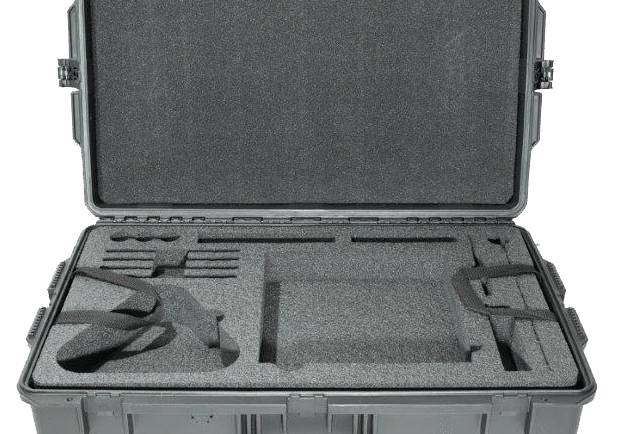
Then there are the rework costs when packaging fails testing. When a case fails MIL-STD drop testing or environmental qualification, the program doesn’t simply move forward with inadequate protection. Engineering teams must redesign the packaging, source new materials, manufacture new prototypes, and repeat the entire testing cycle. Each iteration adds weeks to the schedule and thousands to the budget. For complex systems requiring custom foam inserts calibrated to specific shock and vibration profiles, a single redesign can consume thousands in engineering time, materials, and testing fees.
Disposal costs for expendable packaging add another overlooked line item. A program shipping 200 units per year with expendable packaging at $20 per shipment will spend $4,000 annually on packaging that immediately becomes landfill waste. Over a five-year contract, that’s $20,000 in disposal alone, compared to durable cases that eliminate waste and can serve unlimited shipments.
Program Costs: When Schedule Delays Cascade
Schedule compression can create some of the most severe program costs. When packaging failure delays critical path activities, program managers face a choice: accept schedule slip or pay premium rates to compress downstream tasks. Accelerated development cycles, overtime labor, and expedited procurement all come with higher costs.
Testing inefficiencies compound when equipment arrives damaged or when cases fail qualification testing. Test facilities at government ranges or specialized labs are typically booked months in advance with limited schedule flexibility. Even a four-week testing delay can cascade into multi-month program impacts, particularly for programs with seasonal testing requirements or limited access to specialized facilities.
Inventory carrying costs increase when programs must maintain higher safety stock to account for packaging-related damage rates. If a program experiences a 5% damage rate due to inadequate packaging, inventory planning must account for additional buffer stock, increasing warehousing costs and capital tied up in excess inventory.
Reputation Costs: Why This Might Be the Most Expensive Category
The third category—reputation costs—may be the most expensive of all, even though they rarely appear in cost analyses. In defense contracting, reputation determines which programs you win, which customers trust you with sole-source contracts, and which partnerships provide competitive advantages.
Program delays caused by packaging failures damage professional reputations at every level. The engineer who selected inadequate packaging becomes known for missing critical details. The procurement officer who chose the lowest-cost vendor without verifying capabilities loses credibility with engineering teams. The program manager who allowed packaging to become a crisis loses trust with military customers who depend on reliable delivery.
These reputation impacts extend beyond individual careers. Defense primes build their competitive positioning on reliability and execution excellence. A single high-visibility packaging failure can influence source selection decisions on future programs. When military program offices evaluate contractors, they consider not just technical capabilities but also track records for delivering equipment ready for immediate deployment.
The defense industry operates on relationships built over years and decades. Engineers move between defense primes, carrying their experiences and preferences. One packaging failure doesn’t just impact the immediate project—it potentially affects years of future opportunities.
How Do You Actually Prevent Packaging Failures Before They Happen?
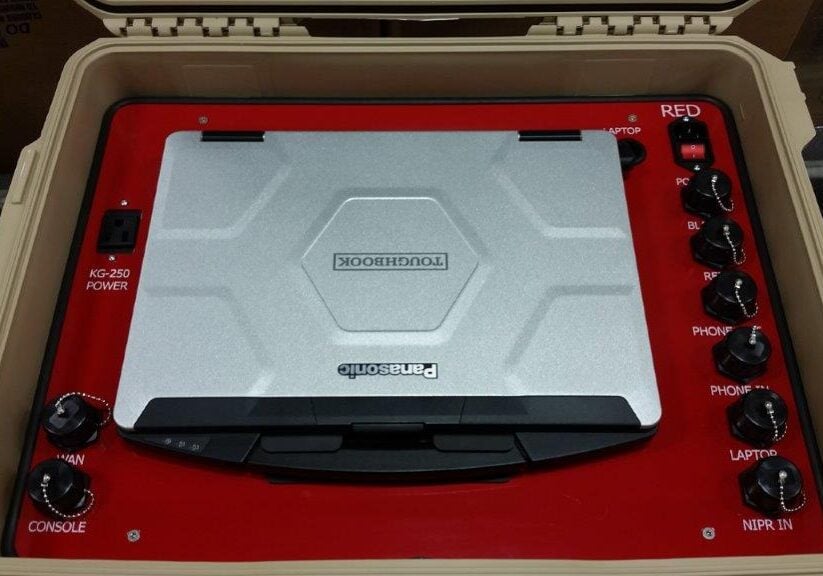
The path to avoiding packaging failure costs begins with recognizing that packaging is an engineering discipline, not a procurement commodity. Mission-critical defense equipment requires packaging solutions that account for shock profiles, vibration frequencies, environmental exposure, and handling realities throughout the supply chain.
This requires engaging packaging expertise early in program planning, ideally during preliminary design. Effective packaging engineering starts with understanding the complete protection requirement: not just the equipment dimensions, but the vulnerability to shock, the exposure to temperature extremes, the handling environment from assembly line to battlefield, and the compliance requirements for defense transportation.
At Packaging Strategies Incorporated, we’ve spent over 30 years helping defense contractors understand this equation. Our ISO 9001:2015 certified design and prototyping services ensure cases meet MIL-STD requirements before programs commit to production. Our 3D modeling approach combined with shock and environmental testing catches protection failures during development, not during deployment. Our experience with foam density specifications, cushioning design, and material selection means equipment arrives at its destination in perfect working order.
Isn’t Proper Packaging Engineering Too Expensive?
The cost difference between adequate and inadequate packaging often measures in hundreds of dollars per unit. The cost of packaging failure can be much higher. That’s not a difficult financial equation to solve.
Yet programs continue to treat packaging as an afterthought, optimizing for initial purchase price rather than total program cost and risk mitigation. They assume that off-the-shelf solutions from standard suppliers will protect sophisticated defense electronics. They wait until product design is complete before engaging packaging expertise, eliminating opportunities to optimize protection strategies during development.
What Should You Do Differently on Your Next Program?
Start by engaging packaging engineering early—ideally during preliminary design phases. Ask potential packaging partners about their experience with shock and vibration testing, their understanding of MIL-STD requirements, and their capability to provide rapid prototyping and CAD documentation. Look for ISO 9001:2015 certification and proven experience with defense contractors.
When evaluating packaging proposals, consider total program cost and risk rather than just initial unit price. A custom case with a higher cost per unit that protects your equipment is dramatically more cost-effective than a cheap but inadequate case that results in a program crisis.
Build packaging validation into your development schedule. Plan for prototyping, testing, and refinement rather than assuming the first design will work perfectly. Budget for proper foam engineering that accounts for your specific shock profiles rather than using generic inserts.
Engineering Mission Success In Every Packaging System
The true cost of packaging failure isn’t measured in damaged cases or broken equipment. It’s measured in delayed deployments, compromised mission readiness, damaged professional reputations, and lost future opportunities. It’s measured in troops waiting for equipment that should have been ready, in test windows that can’t be recovered, in program reviews where packaging becomes the explanation for schedule impacts.
Defense contractors who treat packaging as a strategic program risk rather than a commodity purchase make fundamentally different decisions. They engage engineering expertise during design phases. They validate protection solutions through testing rather than assumptions. They select partners based on technical capability and reliability rather than lowest initial cost.
If you want to engineer mission success into your next program, connect with our experts at Packaging Strategies to discuss your requirements.