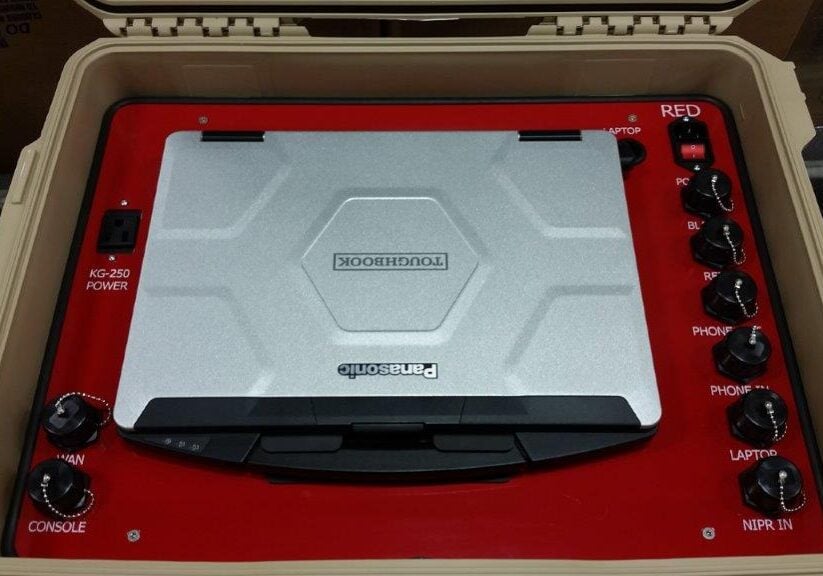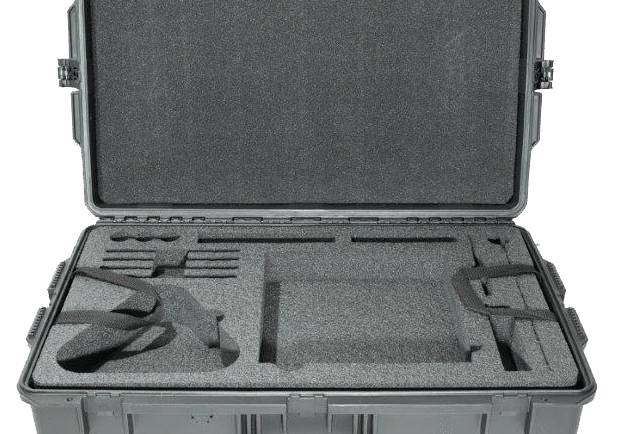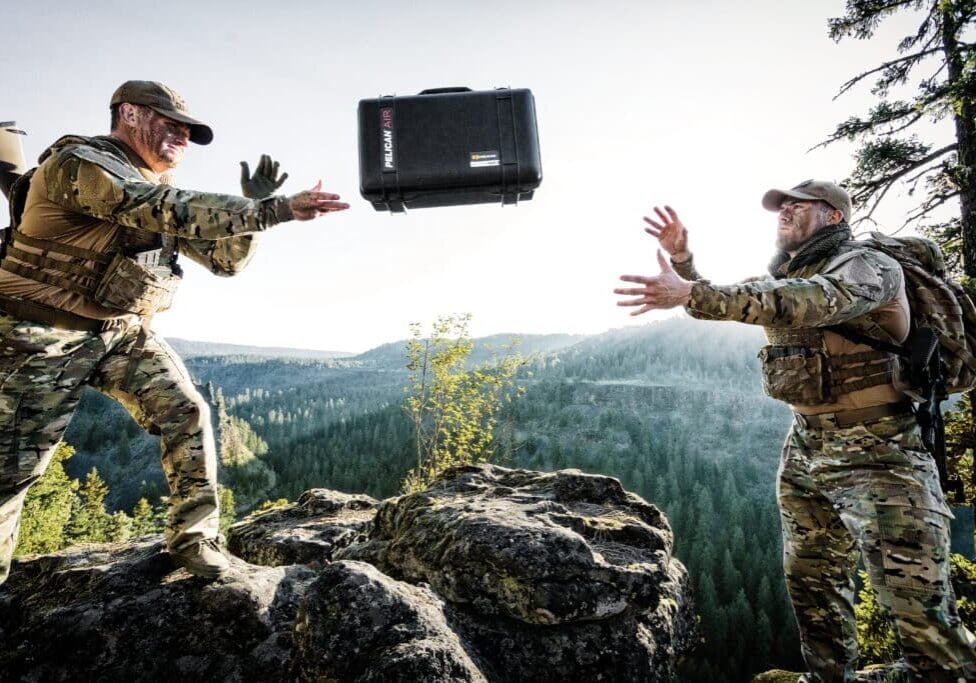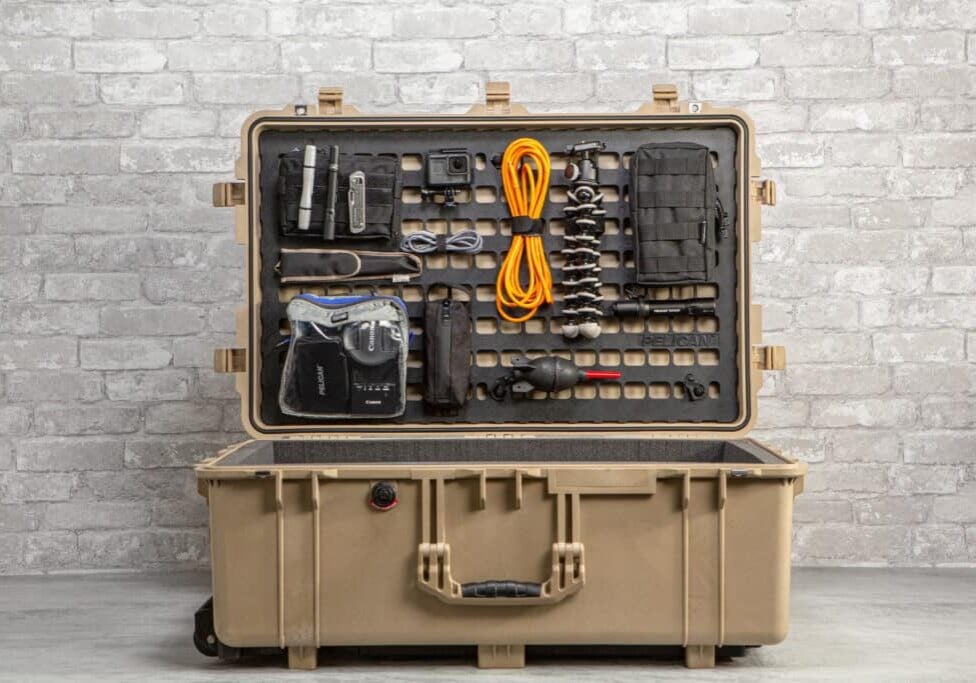
The Proven De-Risking Strategy
It’s a familiar scenario: a case procurement project that looks foolproof on paper meets the real world of shipping mishaps, environmental exposure, unforeseen accidents, and inevitable reworks.
This all-too-common story is due to an all-too-common mindset: the technical packaging that transports and protects mission-critical equipment is the last logistical detail to be addressed. Tackling packaging decisions early can have a positive ripple effect, keeping timelines on track, facilitating compliance, reducing long-term costs, and ensuring reliable performance in the field.
The programs that stay on track don’t just engineer the mission-critical equipment. They engineer how that equipment will survive everything that happens to it next.
Why Technical Packaging Is Usually Too Late to the Conversation

The traditional program flow is familiar: Design, Build, Test. While these neat organizational silos make sense, they leave the questions of shipping, storing, and deployment unanswered. When packaging is pulled in late to “make it work”, the consequences show up fast:
- Last-minute case or container redesigns
- Emergency cushioning fixes
- Shock, vibration, or environmental test failures
- Schedule slips and unplanned costs
By the time these issues arise, the freedom to redesign is limited. And for every problem that late technical packaging decisions resolve, new ones emerge: persistent, hidden technical and operational challenges that programs have no alternative but to carry forward.
Reframing Technical Packaging as a Program-Level Risk Control
Successful, high-performing procurement teams understand that technical packaging is an integral part of the system, not an accessory to it. When technical packaging is addressed early on, it becomes a de-risking tool across four critical dimensions:
- Technical risk: Prevents damage, tolerance stack-up issues, and integration problems before they surface
- Schedule risk: Reduces redesign loops, test failures, and requalification delays
- Cost risk: Avoids rework, scrap, expedited shipping, and downstream field failures
- Operational risk: Improves handling, deployment, and repeatability in real-world conditions
This is about more than making better cases. It’s about minimizing the risks to your program’s ultimate success.
Where Early Technical Packaging Input Has the Biggest Impact
In the midst of many details, it’s easy for program teams to overlook or underestimate the transformative impact early package considerations can have in four critical areas.
Design & Engineering Alignment
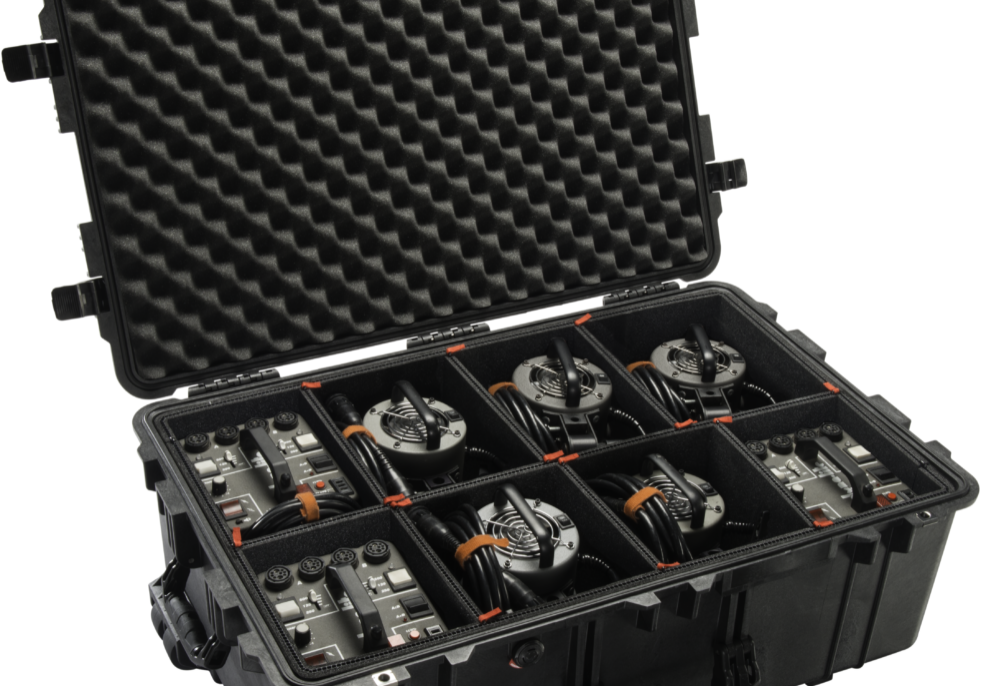
Packaging constraints inform form factor, access points, lifting, and handling requirements. Cushioning strategies and case architecture can influence component layout and fragility thresholds before those decisions become expensive to change.
Test & Qualification Planning
Aligning shock, vibration, and environmental testing with real-world transport and deployment conditions helps teams avoid the classic “pass the test, fail the field” scenario. The more realistic the testing, the more reliable the results.
Supply Chain & Logistics Strategy
Stackability, modularity, modes of transport, and storage environments are far easier to optimize when they’re considered upfront. This reduces downstream logistics complexity and recurring costs.
Lifecycle & Sustainment Considerations
Reusability, repair, storage, and redeployment are critical aspects of the equation. For defense, aerospace, and medical programs in particular, packaging decisions made now directly affect long-term sustainment and operational readiness.
The Cost Myth: “We’ll Save Money by Deciding Later”
It’s a natural assumption to make. After all, there are so many other issues that need to be resolved first. Only when the equipment is finished does the crucial question of what kind of case will get it from point A to point B arise. But early consideration of the package reduces total costs later, preventing late-stage changes, and unplanned fixes.
Early packaging also improves one of the strongest buying drivers for program teams: predictability. The ROI isn’t in the container itself. It’s in the costs that never show up down the road.
Real-World Indicators for Early Technical Packaging Involvement
Like the equipment they transport and protect, cases must survive and succeed in a world where just about anything can happen. If even one of the following factors is present, packaging belongs in early design reviews:
- High-value, fragile, or mission-critical equipment
- Tight tolerances or complex system integration
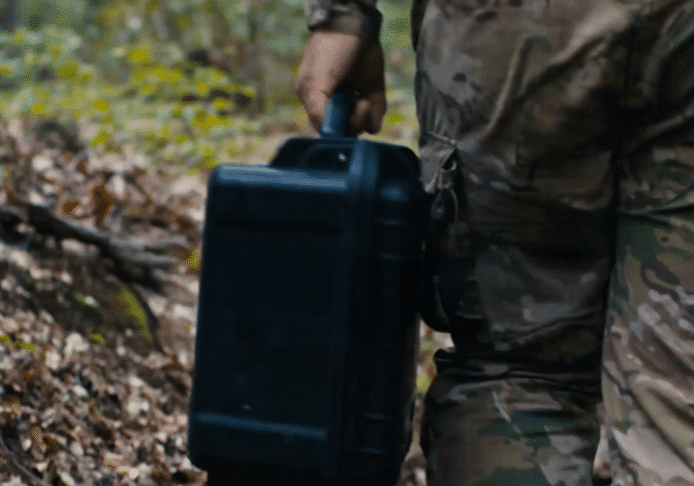
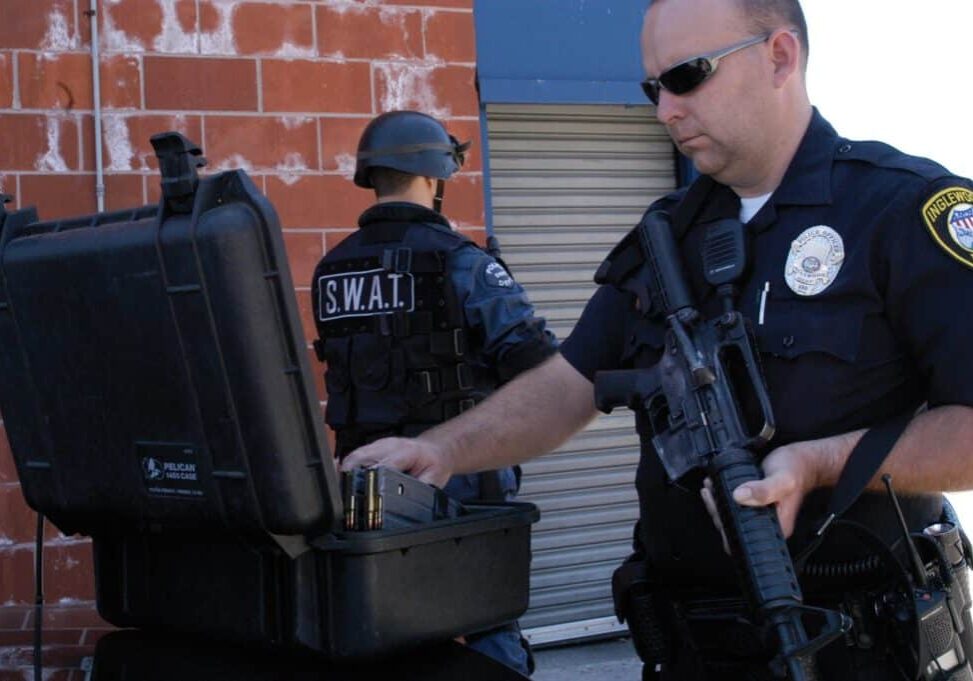
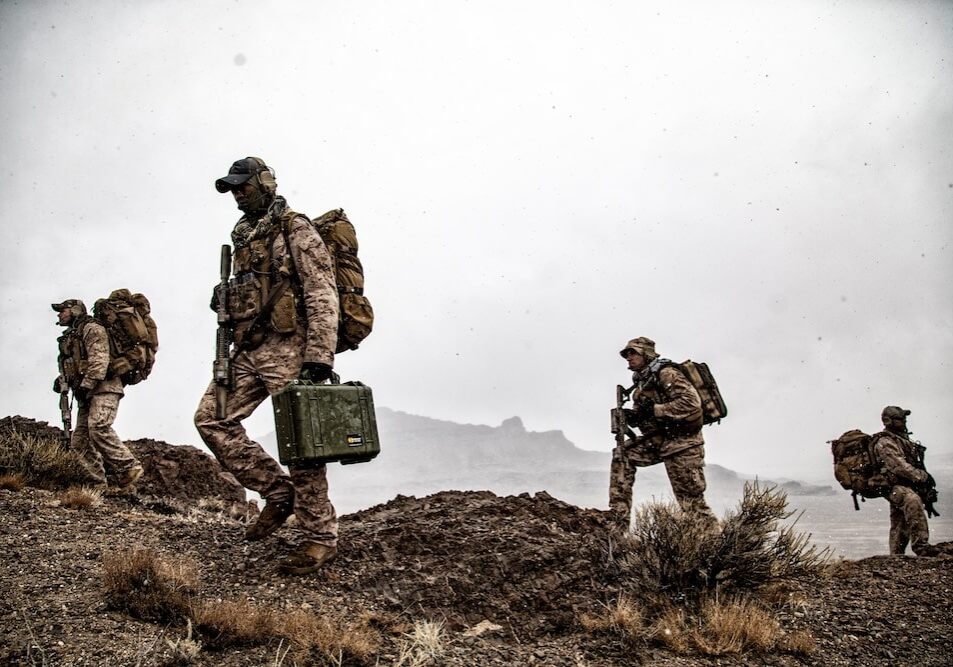
- Harsh transport or deployment environments
- Aggressive schedules or fixed milestones
- Multi-unit or long-lifecycle programs
These are all indicators that packaging decisions will materially affect program risk.
How to Bring Technical Packaging into Early Program Design (Without Slowing Things Down)

- Engage packaging partners during concept or preliminary design
- Treat packaging like another engineered subsystem
- Use rapid prototyping and first-article testing early
- Align packaging, engineering, and operations around shared risk goals
De-Risking Is a Design Decision
Packaging is one of the few levers that touches design, testing, logistics, and operations simultaneously. The most successful programs don’t address packaging as an afterthought. They design with it from the start.
Take the Next Step
At Packaging Strategies, we work with teams early to reduce downstream risk. If you’re specifying packaging for a defense program, aerospace system, or critical equipment application, contact us for a consultative evaluation. Packaging Strategies’ engineering team will review your requirements, recommend the optimal material and construction approach, and provide detailed specifications and quotations—typically within 24-48 hours.
Contact Packaging Strategies:
- Phone: 410-547-7877
- Email: sales@psicases.com
- Start your quote online
Your equipment is too important to trust to guesswork. Work with the technical packaging partner who has the expertise and manufacturing capabilities to recommend the solution that protects your investment.