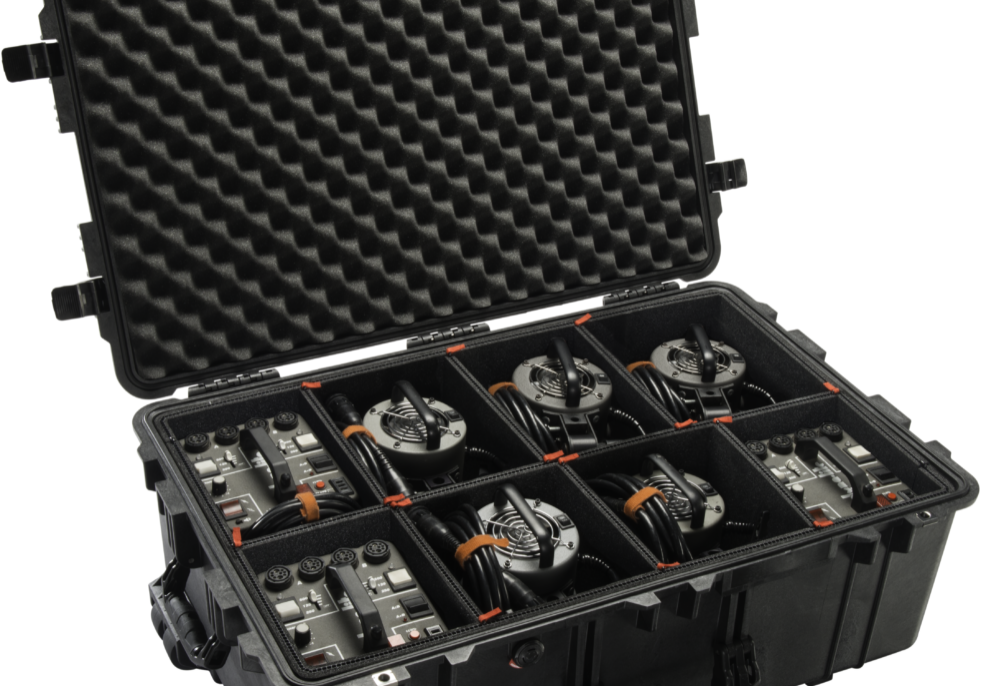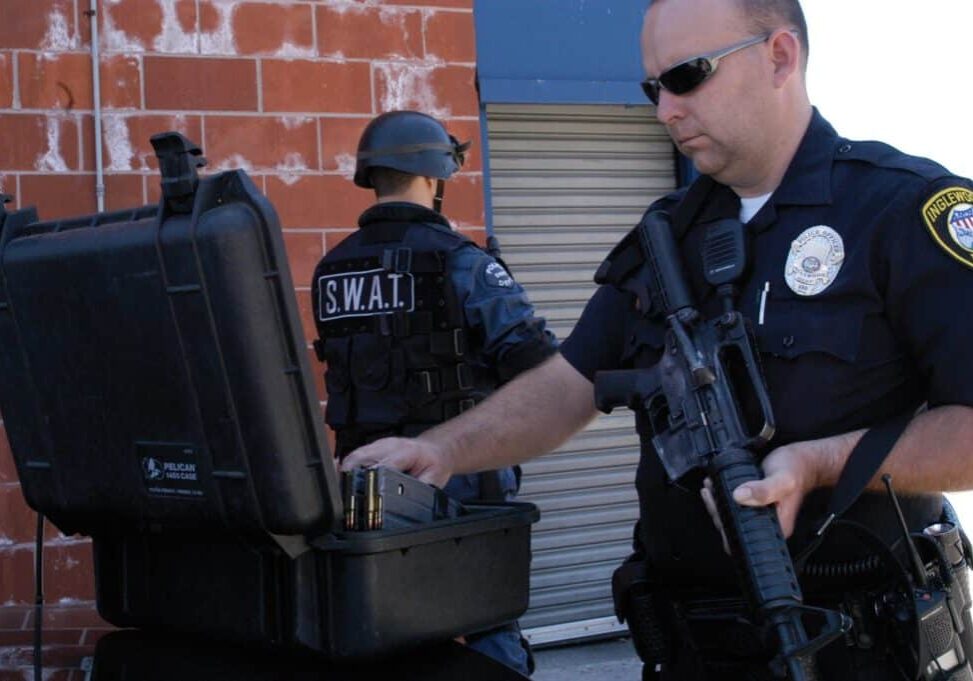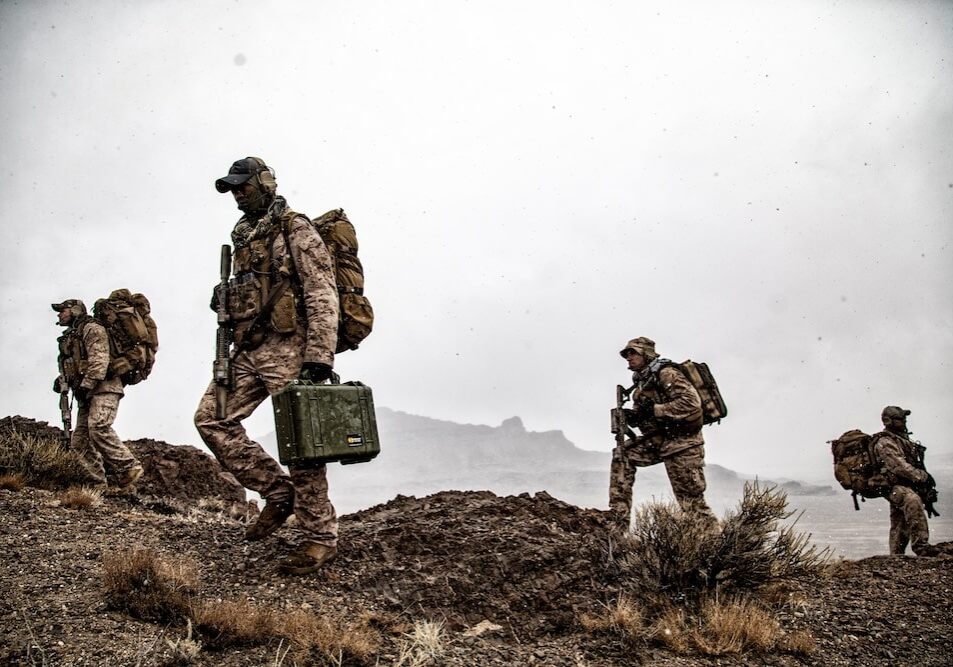
When defense contractors and aerospace engineers need packaging that meets military specifications, confusion about standards and testing requirements can delay critical programs and put expensive equipment at risk. The difference between packaging that merely claims compliance and packaging that truly protects mission-critical equipment often comes down to understanding which standards apply and how to implement them correctly.
Understanding the Two Primary Military Packaging Standards
Most defense packaging projects involve one of two key military standards; each designed for different applications: MIL-STD-810 and MIL-STD-2073-1.
MIL-STD-810: Environmental Engineering Considerations and Laboratory Tests
This comprehensive standard spans hundreds of pages and covers environmental testing for equipment and packaging systems. MIL-STD-810 (currently revision H, previously revision G) addresses how packaging performs under various environmental conditions including temperature extremes, humidity, vibration, shock, and altitude changes.
The challenge with MIL-STD-810 is its breadth. With 30 to 40 different test procedures, simply specifying “MIL-STD-810 compliance” on a purchase order doesn’t give your technical packaging partner enough information. Which specific tests apply to your equipment? The answer depends on your payload’s destination, environment, and vulnerability characteristics.
MIL-STD-2073-1: Standard Practice for Military Packaging
This standard provides a more structured approach specifically designed for military packaging. MIL-STD-2073-1 establishes approximately five core tests and uses a systematic coding system to classify items based on their physical characteristics, chemical properties, fragility, and preservation requirements.
MIL-STD-2073-1 guides packaging decisions through a logical progression: Is the item hazardous? Is it ESD-sensitive? What is its fragility rating? Does it require environmental protection? This methodical approach helps ensure packaging decisions address all critical protection requirements.
The Most Common MIL-SPEC Packaging Misconceptions
Misconception 1: “All Defense Packaging Companies Have the Same Certifications”
Not all packaging providers understand the nuances between MIL-STD-810 and MIL-STD-2073-1 or know how to guide customers through test selection. Some companies simply accept purchase orders that specify “MIL-STD-810 compliance” without clarifying which specific tests are required. This creates liability for both the packaging provider and the customer when expectations aren’t met.
A qualified technical packaging partner asks the right questions upfront:
- What environment will this equipment experience?
- What are the item’s dimensions and weight?
- What’s the fragility rating of your payload?
- Is the item ESD-sensitive?
- Are there hazardous material considerations?
- Where are the weak areas or do-not-lift zones?
- What’s the center of gravity for larger items?
Misconception 2: “Testing My Container Is Always Required”
Whether to test your packaging depends on several factors: the value of the contents versus replacement costs, the item’s fragility rating, and whether you have reliable engineering data from similar successful projects.
Items with low fragility ratings may not require extensive testing. However, highly sensitive equipment (gyroscopes, precision electronics) typically benefits from validation testing. As a general principle, testing value increases proportionally with payload value and fragility.
MIL-STD-2073-1 outlines conditions where testing can be waived:
- Detailed packaging instructions are furnished by acquisition activity
- Previous successful test records exist for similar items
- Approved engineering data validates the packaging design
- Items meet multiapplication container specifications
- Historical shipping data confirms adequate protection for similar items
Misconception 3: “Custom Packaging Means Weeks of Lead Time”
This assumption often leads program managers to delay packaging decisions until late in the development cycle. The truth is, working with a responsive packaging partner early in your program accelerates timelines rather than extending them.
Packaging Strategies Incorporated (PSI) provides same-day quotes for many projects and can turn around first article samples within days when programs require expedited delivery. The key is engaging packaging engineering resources early enough to avoid last-minute crisis management.
How to Select the Right Tests for MIL-STD-810 Compliance
Simply specifying MIL-STD-810 on a purchase order without test qualifiers creates ambiguity and potential liability. The right approach requires understanding your payload’s operational environment and working with technically qualified packaging engineers. Start with these critical questions:
1. What environmental conditions will the equipment face?
- Arctic conditions (note: MIL-STD-810 tests to -40°C, though human operations typically stop at -20°C)
- Desert heat and humidity
- Maritime salt fog exposure
- High altitude and pressure changes
- Extreme vibration during transport
2. What are the transportation and storage requirements?
- Commercial shipping (UPS, FedEx)
- Military airlift
- Naval vessel transport
- Long-term storage conditions
- Multiple handling points and transfers
3. What is the item’s fragility rating?
Fragility measures the G-forces an item can withstand before fracturing or failing. Higher fragility items require more sophisticated cushioning design and potentially more rigorous testing.
4. Are there special handling or hazardous material considerations?
Hazardous materials require packaging that complies with additional regulations including IATA Dangerous Goods Regulations, IMDG Code, and CFR Title 29, 40, and 49 requirements.
Common MIL-STD-810 Test Procedures for Packaging:
- Method 500: Low Pressure (Altitude) tests packaging and contents at reduced atmospheric pressure to simulate high-altitude transport and storage.
- Method 502: Temperature Shock evaluates performance when equipment experiences rapid temperature transitions between extreme hot and cold conditions.
- Method 506: Rain assesses water intrusion resistance for equipment stored or operated in precipitation.
- Method 514: Vibration simulates transportation vibration to verify cushioning system effectiveness and fastener integrity.
- Method 516: Shock (Transit Drop Test) validates packaging protection during handling drops and impacts. Drop heights typically range from 30 to 48 inches depending on package weight and transportation mode.
Implementing MIL-STD-2073-1: The Systematic Approach
MIL-STD-2073-1 provides a more prescriptive framework by categorizing items into three groups:
- Common Items: Small, rugged items with predetermined packaging requirements listed in the standard’s reference tables. These items can use standardized packaging codes without custom engineering.
- Selective Items: Equipment that requires customization but can be specified using the standard’s coding system supplemented with clear descriptions. Most defense electronics fall into this category.
- Special Items: Complex or unique equipment requiring drawings, sketches, or detailed narrative instructions. These items typically need full packaging engineering support.
Further categorization is based on an item’s physical characteristics and protection requirements.
First Category: Physical and Chemical Characteristics
- Item composition and properties
- Critical item criteria (precision instruments, classified equipment)
- Contact preservative requirements
Second Category: Weight, Size, and Fragility
- Dimensions and weight parameters
- Fragility rating classification
- Handling and lifting considerations
Third Category: Preservation Methods
- Environmental protection requirements
- Moisture barrier specifications
- Corrosion prevention measures
- Electrostatic discharge protection
Environmental Protection: Beyond Basic Packaging
Dust and Debris Protection
Military equipment often operates in austere environments where dust infiltration can cause catastrophic failures. Effective dust protection requires:
- High-quality gasket materials with proper compression ratios
- Properly designed lid interfaces without gaps or voids
- Validated pressure differential testing
- Documented IP (Ingress Protection) ratings when specified
Water and Moisture Protection
Water intrusion represents one of the most common packaging failures. Comprehensive moisture protection involves multiple layers:
-
Barrier Materials: MIL-STD-2073-1 specifies various barrier materials including greaseproof/waterproof options (MIL-PRF-121), water vapor-proof materials (MIL-PRF-131), and VCI-treated transparent barriers (MIL-PRF-22019).
- Seal Integrity: The difference between water-resistant and waterproof often comes down to installation quality. Gaskets installed at improper angles, hardware with inadequate torque, or drilling that creates pinholes all compromise seal effectiveness.
- Pressure Testing: For applications requiring waterproof performance, pressure testing validates seal integrity. However, testing must account for real-world conditions—a container that tests perfectly in a controlled environment may fail if gaskets degrade or hardware loosens during transportation.
- Desiccant Strategy: For long-term storage, desiccant absorbs internal moisture. However, saturated desiccant becomes counterproductive, potentially releasing moisture back into the container. Desiccant capacity must match storage duration and internal volume.
Electrostatic Discharge (ESD) Protection
Modern electronics fail at surprisingly low voltage levels—damage can occur at thresholds imperceptible to humans. MIL-STD-2073-1 addresses ESD protection through specific Code HG requirements:
- Conductive or static-dissipative materials for direct item contact
- Proper lead and terminal configuration maintenance
- ESD caution labeling per MIL-STD-129
- Conductive caps or plugs for all connectors
Items requiring ESD protection cannot use standard foam materials. Cushioning must use conductive or static-dissipative materials that safely channel electrostatic charges away from sensitive components.
The Role of Packaging Design Validation Testing
MIL-STD-2073-1 specifies when contractors must perform packaging design validation tests unless specific conditions exempt the requirement:
Factors When Testing May Be Waived:
-
Furnished Data: The acquisition activity provides detailed packaging instructions or predetermined codes
- Previous Test Records: Successful test records exist for the same item or similar items with comparable weight, dimensions, fragility, and composition
- Approved Engineering Data: Engineering documentation approved by the cognizant DoD activity validates the proposed design
- Multiapplication Containers: Items meet established weight, dimensional, and fragility requirements for standardized containers
- Contractor Shipping Data: Historical shipping data confirms adequate protection using the same or equivalent packaging
Required Testing Procedures:
- Container Performance Tests: Containers undergo ASTM-D4169 Distribution Cycle 18 testing at Assurance Level 1 (Level A packs) or Assurance Level 2 (Level B packs).
- Hazardous Material Testing: Follows IATA Dangerous Goods Regulations or I MDG Code requirements with proper documentation and certification.
- Preservation Tests: Validates preservation methods that maintain equipment protection throughout specified storage and transportation environments.
Quality Assurance and Common Failure Modes
Even well-designed packaging can fail due to manufacturing and assembly issues. The most common failure modes include:
Installation Quality Issues
- Hardware Installation: Loose hardware, improper torque specifications, or incorrect installation sequences compromise seal integrity and structural performance.
- Drilling and Fastening: Improperly angled drilling creates pinholes that compromise water and pressure seals. Each hole must be perpendicular to the surface with proper sealing.
- Process Documentation: Following documented assembly sequences will ensure consistent quality. Allowing shortcuts or failing to document who performed each step creates quality control gaps.
Material Selection Errors
- Foam Density Mismatches: Using incorrect foam density for the item’s fragility rating provides inadequate cushioning. Custom foam engineering based on calculated cushion curves prevents this failure mode.
- Inadequate Barrier Materials: Selecting barrier materials without understanding their specific properties (waterproof vs. water vapor-proof, for example) leads to protection failures.
- Component Quality: Using lower-grade components to reduce costs often backfires. For example, imported materials may not meet claimed specifications, compromising the entire packaging system.
Navigating Classified Programs and Packaging Requirements
Defense contractors working on classified programs face unique challenges when specifying packaging. Security classifications prevent sharing detailed technical specifications with packaging vendors who aren’t read into the program.
Solutions for Classified Programs:
- Generic Specifications: Describe payload characteristics in general terms without revealing classified technical details. Dimensions, weight, fragility ratings, and environmental requirements can typically be shared without compromising classification.
- Engineering Support from Cleared Personnel: Some packaging providers maintain cleared personnel who can work directly with classified program details when necessary.
- Trusted Partner Relationships: Established relationships with packaging partners who understand defense requirements streamline the process while maintaining security protocols.
Working with ISO 9001:2015 Certified Packaging Partners
ISO 9001:2015 certification demonstrates a packaging provider’s commitment to quality management systems, but certification alone doesn’t guarantee MIL-SPEC expertise. Look for providers who combine these key attributes:
- Technical Engineering Capability: Engineers who can speak the language of defense contractors, understand fragility ratings, and calculate cushion curves
- Government Contracting Experience: Familiarity with government procurement protocols, required documentation, and compliance requirements
- Testing and Validation Resources: In-house capabilities for shock testing, environmental testing, and package validation
- Rapid Response Culture: Ability to provide quotes in hours or days rather than weeks
- Manufacturing Agility: On-site production facilities that can deliver first article samples quickly and scale to production volumes
Why Packaging Strategy Should Start Early
Program engineers often treat packaging as an afterthought, addressing it only after product design completion. This approach creates unnecessary risk and time pressure. The most successful defense programs integrate packaging considerations during design phases.
Early Engagement Benefits:
- Proactive Engineering Guidance: Technically qualified packaging engineers can identify potential issues before they become problems: “Have you considered how this component configuration will affect shock vulnerability?” or “The mounting points you’ve specified may not provide adequate load distribution.”
- Accelerated Timeline: Starting packaging design concurrent with product development eliminates the critical path bottleneck that occurs when packaging becomes a last-minute crisis.
- Cost Optimization: Early packaging involvement may influence product design decisions that reduce packaging complexity and cost without compromising protection.
- Test Schedule Coordination: Integrating packaging testing into overall program test schedules prevents delays while waiting for packaging validation results.
Key Technical Packaging Specification Best Practices for Defense Contractors
- Understand Which Standard Applies: MIL-STD-810 and MIL-STD-2073-1 serve different purposes. Select the appropriate standard for your application and specify required tests explicitly.
- Never Specify “MIL-STD-810 Compliance” Without Test Qualifiers: This creates ambiguity and potential liability. Work with your packaging partner to identify specific required tests based on the operational environment.
- Engage Packaging Engineering Early: Treating packaging as an afterthought creates unnecessary program risk. Early engagement with technically qualified packaging engineers prevents problems before they occur.
- Value Technical Qualification Over Price: The program engineer needs to speak with another engineer who understands defense requirements, not just a salesperson. Technical conversations that anticipate issues and add value to the design process are worth the investment.
- Test According to Risk Assessment: Balance payload value, fragility, and replacement costs against testing costs. High-value or mission-critical equipment typically justifies validation testing.
- Document Everything: Comprehensive documentation, from packaging design rationale to test results to assembly procedures, protects your program and ensures consistent quality.
- Verify Seal Integrity: For applications requiring environmental protection, pressure testing validates that gaskets, hardware, and seals perform as designed.
- Consider Total Cost of Ownership: Packaging failures often cost far more than the packaging itself when accounting for equipment damage, program delays, and reputation impacts.
Working with Packaging Strategies Incorporated
Since 1990, Packaging Strategies has evolved from supporting the defense community to serving both defense and private enterprises. Our expert team combines in-house design, prototyping, and manufacturing capabilities with technical engineering expertise specifically developed for MIL-SPEC applications.
Our approach centers on technical conversations between engineers who understand defense requirements. Whether you’re working with MIL-STD-810, MIL-STD-2073-1, or other military specifications, PSI’s team can guide you through test selection, packaging design validation, and quality assurance protocols that ensure your mission-critical equipment arrives ready for deployment.
As an ISO 9001:2015 certified company familiar with government contracting requirements, PSI understands the documentation, compliance standards, and quality expectations that defense programs demand. More importantly, we provide the rapid response times and technical qualification that keep programs on schedule without compromising protection requirements.
Ready to discuss your MIL-SPEC packaging requirements? Contact Packaging Strategies at 888-774-7557 or info@psicases.com to speak with our technical team about your defense packaging needs.
Packaging Strategies Incorporated: Delivering rugged technical packaging engineered to your payload’s weight, size, and vulnerability with shock and environmental testing available. Serving defense contractors, aerospace companies, and government agencies since 1990.