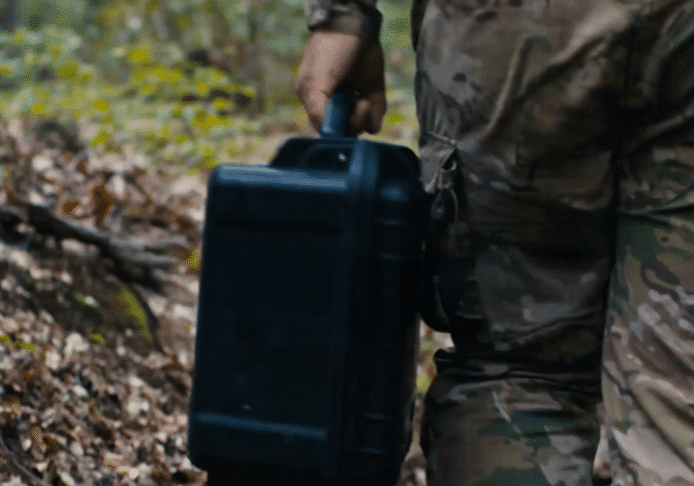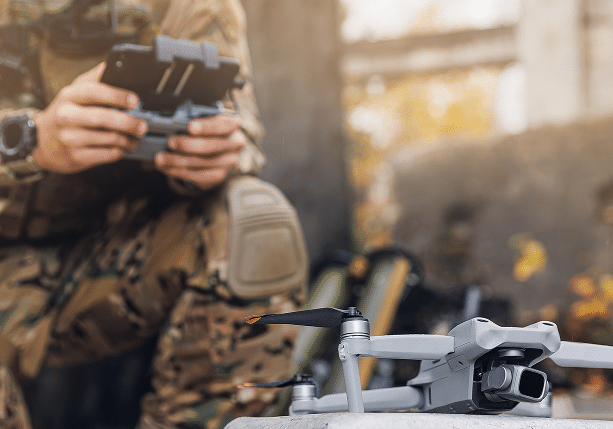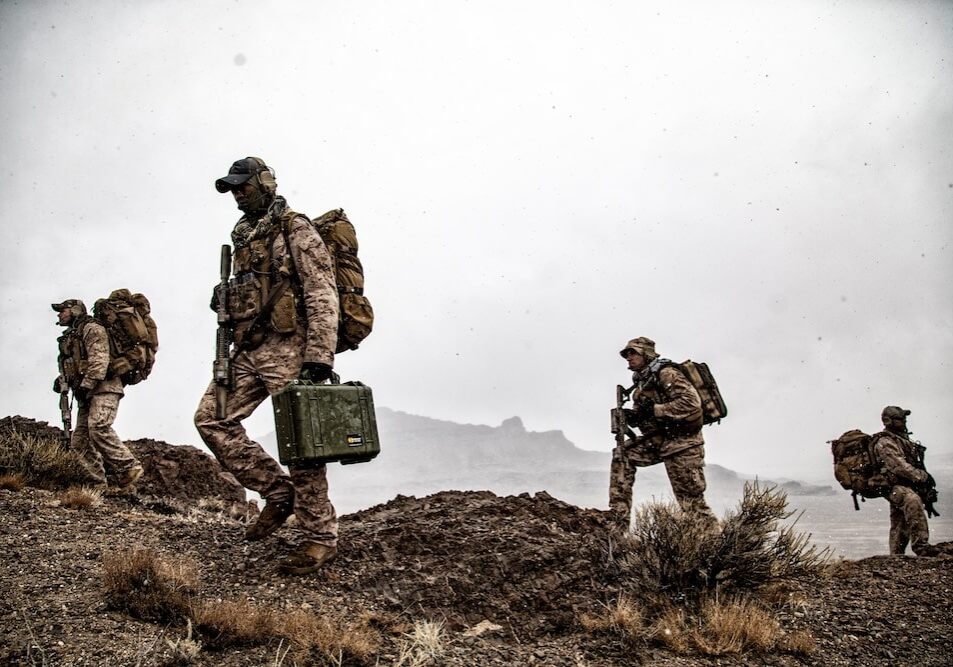
When a defense system or medical device needs protection during transport, the packaging decision becomes mission-critical. Most engineers and program managers face the same fork in the road: whether to purchase a stock case off the shelf or invest in a custom-engineered solution.
The sticker price doesn’t tell the full story when comparing the two. While stock cases often win on initial cost, the total cost of ownership can vary dramatically over your equipment’s operational lifecycle.
The Real Cost Equation Most Buyers Miss
Here’s the challenge: when evaluating protective cases, most buyers focus exclusively on the purchase order amount. A stock Pelican case at $800 looks considerably more attractive than a custom solution at $2,500 per unit. But that comparison ignores the operational reality of how these cases perform over 5-10 years of field deployment.
The true cost equation includes:
- Initial purchase price
- Equipment damage and replacement costs
- Downtime and mission delays
- Repacking and refitting expenses
- Replacement case purchases
- Labor costs for inefficient workflows
- Program risk and compliance failures
When you account for these factors, the math changes completely.
Understanding Stock Cases: Built for the Average User
Stock cases serve an important market need. They’re designed to protect general categories of equipment with standardized dimensions and foam configurations. For many commercial applications, they work perfectly fine.
The inherent limitation is right in the name: standardized. Your radar system isn’t standard. Your custom UAV electronics package isn’t standard. Your integrated medical diagnostic equipment isn’t standard.
Here’s what happens when you force specialized equipment into standardized protection:
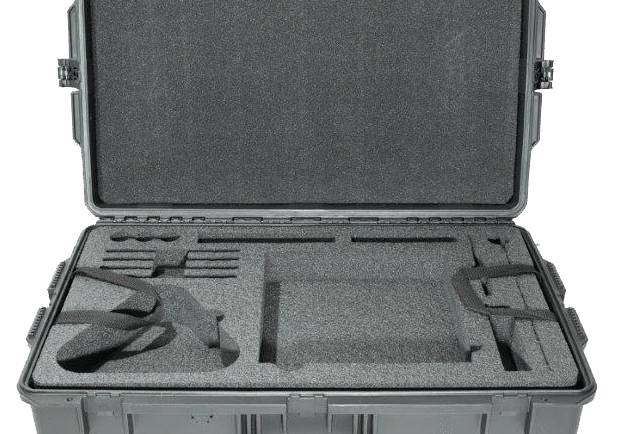
Stock cases require you to adapt your equipment to fit their predetermined dimensions and foam layouts. This creates gaps, movement during transport, and pressure points that can compromise sensitive electronics. The foam inserts are designed for broad categories rather than your specific payload geometry, weight distribution, and vulnerability points.
More critically, stock solutions can’t account for your integrated system requirements. If your equipment includes mounted components, cable management needs, or environmental monitoring systems, off-the-shelf cases force workarounds that introduce risk.
The Hidden Costs of “Good Enough” Protection
Stock cases deliver “good enough” protection for many scenarios. But “good enough” carries hidden costs that accumulate over time:
- Equipment Damage and Replacement: Even a single damage incident can dwarf your packaging savings. When a $75,000 component fails due to shock that exceeded the stock case’s protection threshold, you’ve lost multiple years of packaging cost savings in one event. More importantly, you’ve lost equipment availability that could potentially jeopardize mission success.
- Operational Inefficiency: Stock foam configurations rarely align with optimal packing and unpacking workflows. Team members may spend extra minutes every deployment session working around inefficient layouts. Multiply those minutes across hundreds of deployment cycles, and the wasted time becomes substantial.
- Repacking and Refitting Costs: As equipment evolves through design iterations or field modifications, stock cases require expensive retrofitting. The foam may need to be recut or replaced entirely. Some organizations end up purchasing new stock cases because modifying the existing solution becomes impractical.
- Program Risk: For defense and aerospace applications, packaging that doesn’t meet MIL-STD requirements or fails shock and vibration testing creates program delays. These delays cascade through contracts, affecting delivery schedules and potentially triggering penalty clauses.
How Custom Solutions Change the Long-Term Economics
Custom-engineered cases flip the cost equation by eliminating the hidden expenses that erode stock case savings.
Custom Cases Mean Precise Protection = Zero Damage Tolerance
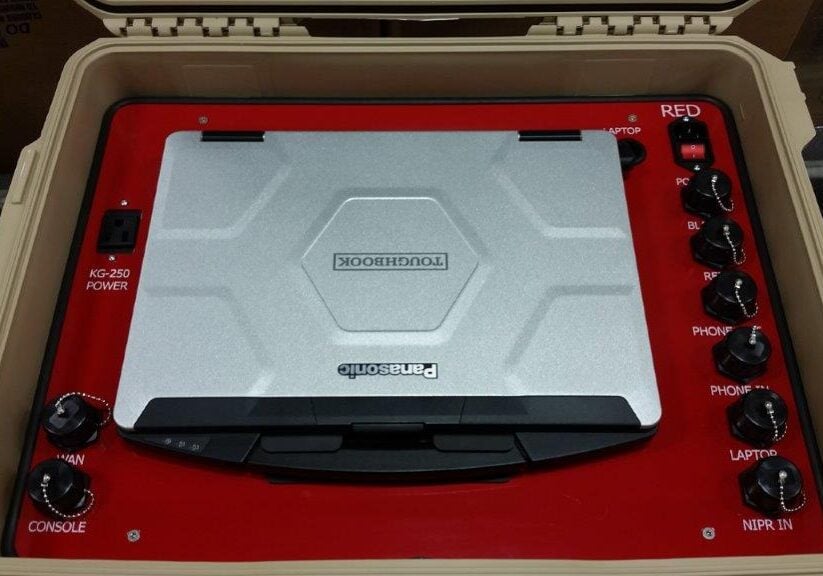
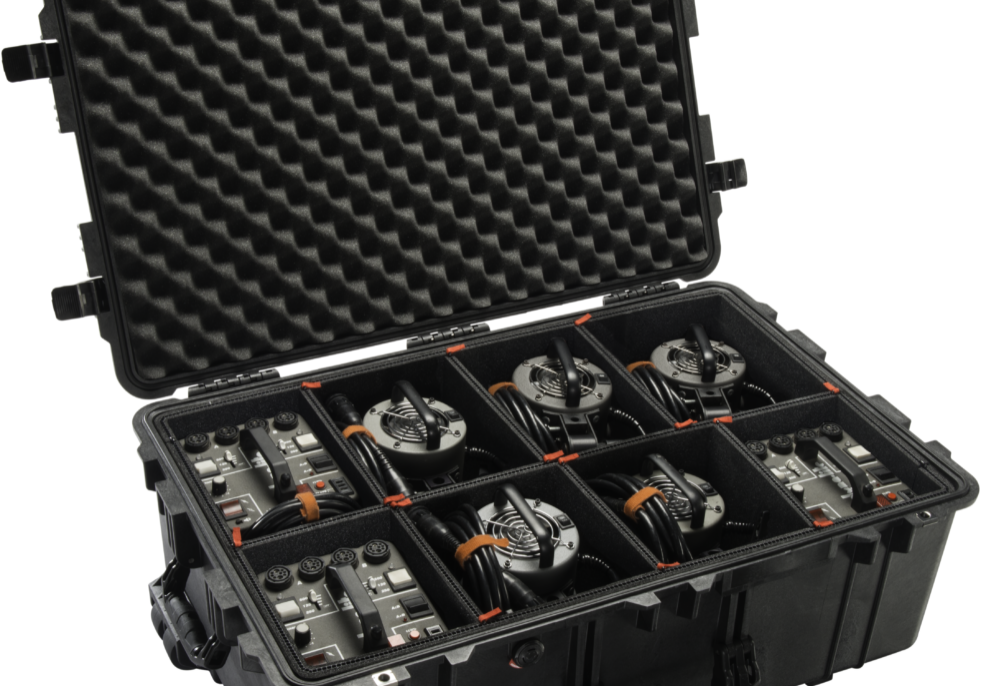
When cases are engineered specifically for your payload’s weight, dimensions, and vulnerability points, the protection isn’t approximate. Packaging Strategies uses 3D modeling and first article sampling to guarantee the finished product performs correctly before production begins. The result is protection engineered to your exact shock and vibration requirements, not generic industry standards.
Custom Cases Mean Operational Efficiency
Custom foam layouts designed around your actual deployment workflow reduce packing time and eliminate fumbling with equipment placement. Some Packaging Strategies customers report reducing deployment prep time by 30-40% compared to stock solutions. Over thousands of deployment cycles, the labor savings alone can justify the initial investment.
Custom Cases Are Built for the Lifecycle
Custom solutions account for how your equipment will evolve. Need to add a sensor package in year two? The case design anticipated that expansion. Switching from Version 2.0 to 3.0 of your system? The foam layout accommodates the modification without starting from scratch.
Custom Cases Mitigate Risk
ISO 9001-certified manufacturing and MIL-STD compliance testing mean your packaging meets program requirements from day one. No delays, no retrofit expenses, no compliance failures that jeopardize contracts.
When Stock Cases Make Sense
This isn’t an argument that custom always wins. Stock cases deliver excellent value for specific use cases:
Stock Cases are Good for Low-Value Equipment
If you’re protecting equipment worth $2,000-$5,000 and the consequences of damage are minimal, stock solutions make perfect sense. The 3:1 or 4:1 protection-to-value ratio works economically.
Stock Cases Can Make Sense for Single-Use or Infrequent Transport
Equipment that ships once or twice doesn’t accumulate enough operational cycles to justify custom investment. Stock cases excel here.
Stock Cases Work for Truly Standardized Equipment
Some equipment genuinely fits standardized dimensions without compromise. If your gear matches stock foam configurations perfectly, use stock cases.
Stock Cases Can Be Fulfilled Quickly
When you need protection tomorrow and the equipment isn’t mission-critical, stock cases meet the urgency requirement.
The Custom Case Tipping Point
The economic equation shifts dramatically in these scenarios:
- High-Value Equipment ($25,000+): When a single damage event costs more than 5-10 custom cases, the risk equation favors custom protection. Defense systems, medical devices, and aerospace equipment typically cross this threshold.
- Frequent Deployment Cycles: Equipment that deploys monthly, weekly, or daily accumulates operational costs rapidly. Custom solutions optimize these workflows and protect against cumulative wear.
- Integrated Systems: When your equipment includes multiple components, cable management, mounted accessories, or environmental monitoring, stock cases create more problems than they solve.
- Compliance Requirements: Defense contractors, medical device manufacturers, and aerospace companies face stringent compliance requirements. Custom solutions build compliance into the design rather than retrofitting stock cases to meet standards.
- Multi-Year Programs: Long-term contracts benefit from custom cases that adapt to equipment evolution without replacement purchases.
How Much Do Custom Cases Typically Cost?
This is where the conversation gets interesting, because custom case pricing isn’t a standard price list. The investment depends on several factors specific to your application.
What Influences Custom Case Pricing?
The primary cost drivers include payload size and weight, complexity of the foam cutting and system integration, material selection (injection molded vs. rotomolded vs. aluminum), testing requirements (shock, vibration, environmental), quantity (single prototype vs. production run), and compliance specifications (MIL-STD, ITAR, AS9100).
What is the Custom Case Quoting Process?
Unlike stock cases where you simply select a model number, custom solutions require engineering assessment. Packaging Strategies typically delivers quotations same-day or next-day for approximately 85% of requests. This responsiveness comes from having in-house design capabilities and manufacturing expertise rather than relying on external suppliers.
The quoting process includes reviewing your equipment specifications (CAD files, step files, or physical dimensions), understanding your operational requirements (transport method, frequency, environmental conditions), determining compliance needs (MIL-STD testing, ISO documentation, traceability requirements), and providing engineering drawings alongside the quote so you see exactly what you’re purchasing before committing.
What are the Cost Ranges for Custom Cases?
While every application differs, simple custom foam cutting for existing case shells might add $200-$800 to stock case pricing. Custom rotomolded cases for complex payloads typically range from $2,000-$8,000, depending on size and complexity. Integrated system solutions with mounting, cable management, and electronics can reach $10,000-$25,000+ for sophisticated defense applications.
The key is understanding these costs in the context of total program value and risk exposure, not in isolation.
What Are the Benefits of Custom Package Design?
Beyond cost considerations, custom engineering delivers capabilities that fundamentally change how equipment performs in the field.
- Technical Excellence: 3D modeling and first article sampling eliminate guesswork. You see the solution before production begins, allowing for design iteration and refinement. Shock and vibration testing validates performance against your specific requirements. ISO 9001 certification provides documentation and traceability that defense contractors and regulated industries require.
- Speed of Response: While “custom” sounds slow, the reality surprises most buyers. Packaging Strategies’ in-house design team and manufacturing facilities mean faster turnaround than many stock case suppliers who outsource modifications. Rapid prototyping allows proof-of-concept validation before committing to production runs.
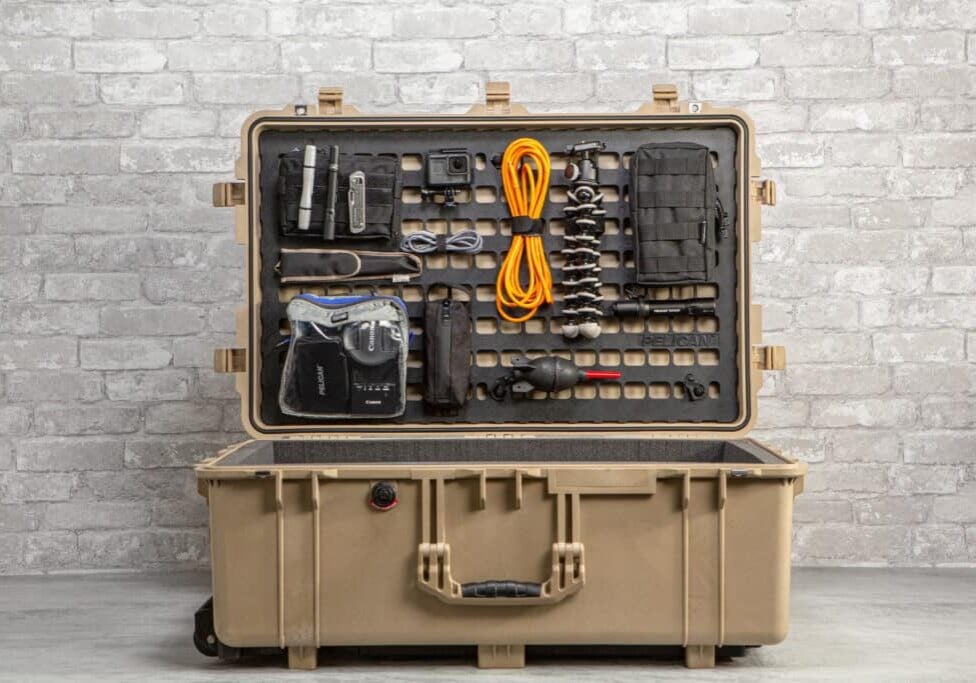
- Design Complexity Management: Custom solutions handle what stock cases can’t. Odd geometries and oversized equipment that don’t fit standardized cases. Integrated mounting systems for components that need to remain connected. Cable management solutions that maintain signal integrity. Environmental sealing beyond standard gasket protection.
- Vendor Coordination: Working with a single partner who handles design, manufacturing, testing, and integration removes the coordination burden. No managing multiple suppliers for case shells, foam cutting, and system integration. No finger-pointing when something doesn’t fit correctly.
- Lead Time Optimization: Experienced custom case partners identify long-lead items during the quoting phase, not after you’ve placed the order. This proactive approach eliminates surprise delays that derail program schedules.
The Total Cost Analysis Framework
To properly evaluate custom vs. stock decisions, apply this framework:
Step 1: Calculate True Protection Needs
What’s the actual cost of equipment damage? Include replacement hardware, labor for repair/rebuilding, program delays and penalties, and mission failure consequences.
Step 2: Project Lifecycle Usage
How many deployment cycles over the equipment’s operational life? What’s the labor cost per deployment cycle? How likely are equipment modifications that require case updates?
Step 3: Assess Compliance Requirements
Do you need MIL-STD compliance? Are ISO documentation and traceability required? Will your case selection impact contract eligibility?
Step 4: Factor in Vendor Capability
Can your supplier provide in-house design, manufacturing, and testing? What’s their track record for on-time delivery and performance? How responsive are they to changes and modifications?
Step 5: Calculate True Total Cost
Stock case purchase price + (probability of damage × equipment replacement cost) + (deployment cycles × time savings × labor rate) + (compliance risk × program value) = total cost of ownership.
This framework reveals that the lower initial purchase price of stock cases often masks higher total lifecycle costs.
Making the Right Decision for Your Application
The custom vs. stock decision ultimately comes down to risk tolerance and operational context.
Choose Stock When:
- Equipment value is low relative to case cost
- Transport is infrequent or one-time
- Standard dimensions truly fit without compromise
- Time-to-market matters more than optimization
- You’re willing to accept higher long-term risk
Choose Custom When:
- Equipment value justifies investment in protection
- Frequent deployment cycles multiply operational savings
- Compliance requirements demand engineered solutions
- Integrated systems need coordinated design
- Long-term programs benefit from adaptable solutions
Most importantly, make the decision based on the total cost of ownership rather than the purchase price alone.
The Consultative Approach That Protects Your Investment
The right packaging partner removes friction from the decision by understanding your technical requirements, eliminating the burden of vendor coordination, providing rapid engineering response, delivering testing and validation as standard process, and offering objective recommendations rather than pushing highest-margin products.
When you can trust your packaging partner to guide you to the right solution, whether that’s stock or custom, the decision becomes a lot simpler.
Your equipment represents a significant investment and mission-critical capability. The protection decision deserves the same engineering rigor you apply to the equipment itself.
Want to discuss whether custom or stock solutions better fit your specific application? Connect with a Packaging Strategies expert online, email us at sales@psicases.com, or call us at (410) 547-7877. Our team provides same-day engineering assessment for many requests, helping you make an informed decision that optimizes both protection and total cost of ownership.