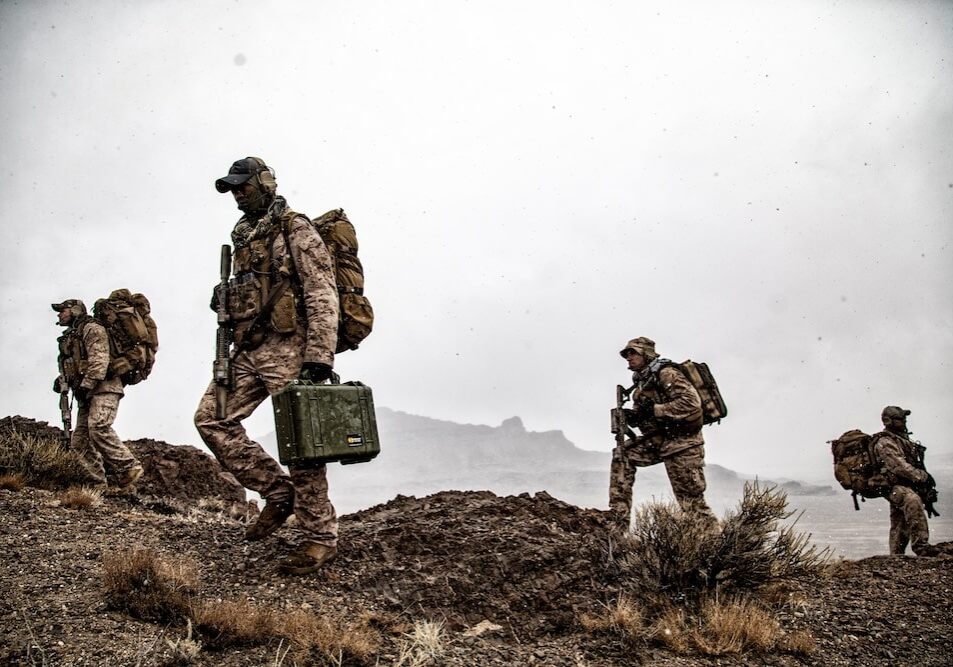
From disaster response and military logistics to emergency management and law enforcement operations, the difference between readiness and chaos often comes down to how fast your team can get equipment on-site and operational. Time spent unpacking gear, searching for a cable, or troubleshooting damage from transit is time lost.
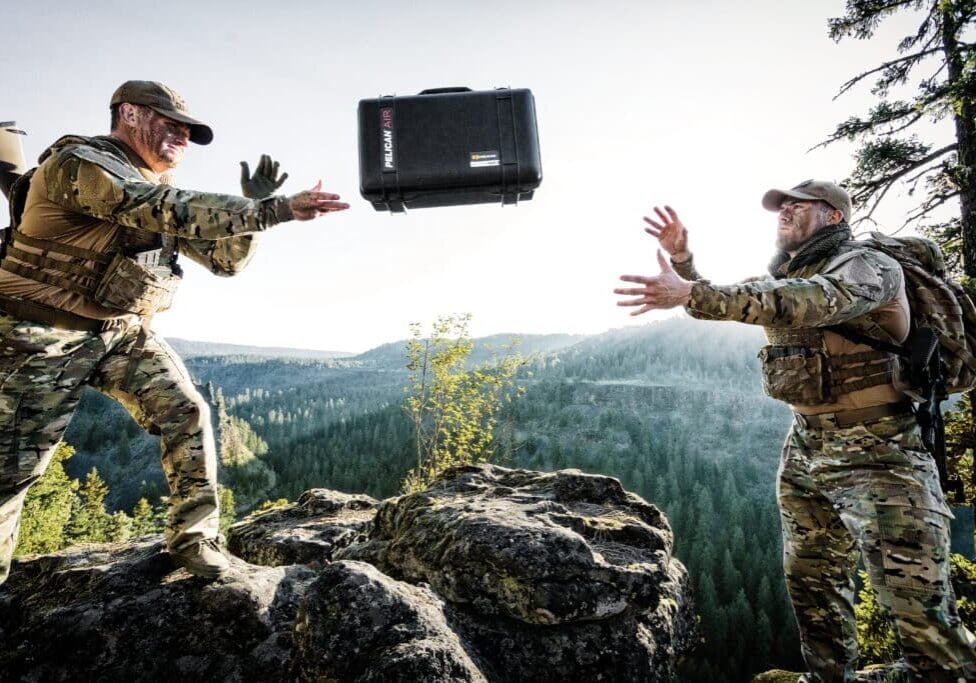
For organizations that run fast, operate in unforgiving conditions, and can’t afford to lose time or equipment, custom-configured cases are a critical contributor to overall operational readiness.
Packaging Strategies has spent decades working alongside professionals who depend on rapid deployment. Here’s what we’ve learned about case design and how it helps streamline field operations.
The Hidden Cost of Generic Case Solutions
Because they aren’t built around your specific equipment, workflow, and mission, even quality generic cases can present problems the moment they’re opened in the field.
Teams spend valuable time improvising. When gear gets stuffed into cases with makeshift padding, fragile instruments can shift in transit and arrive damaged. Setup on-site requires laying everything out, cross-checking inventories, and figuring out where that missing cable went. In time-critical scenarios, that kind of friction is more than inconvenient. It can be operationally costly or even dangerous.
Organizations that have made the switch to custom-configured cases consistently report fewer damaged assets, faster deployment, and teams that arrive on-site more confident and composed.
What “Custom” Means in Practice: Rapid Deployment Cases

The most effective custom cases are designed around two key considerations:
- the shape of the equipment they contain
- the sequence in which that equipment must be accessed
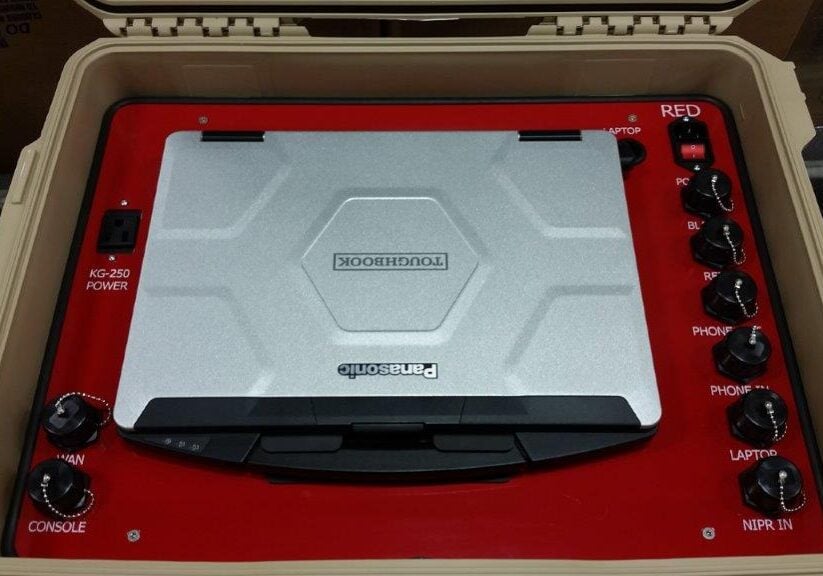
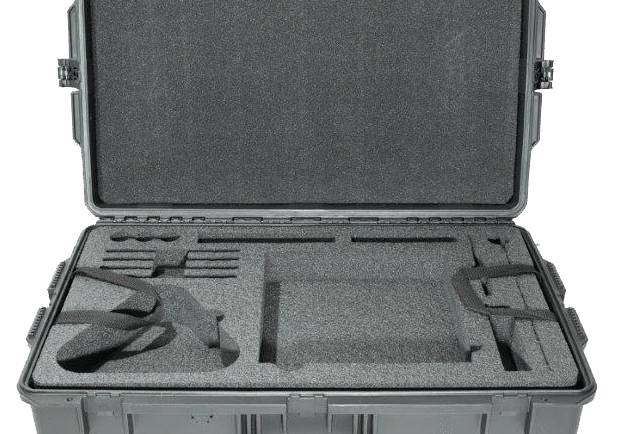
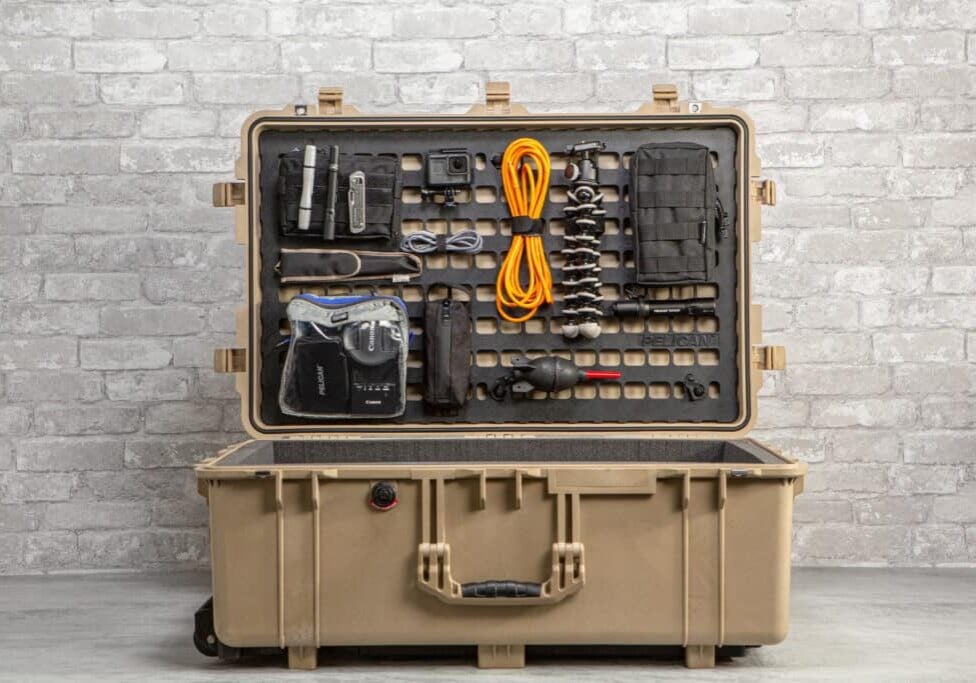
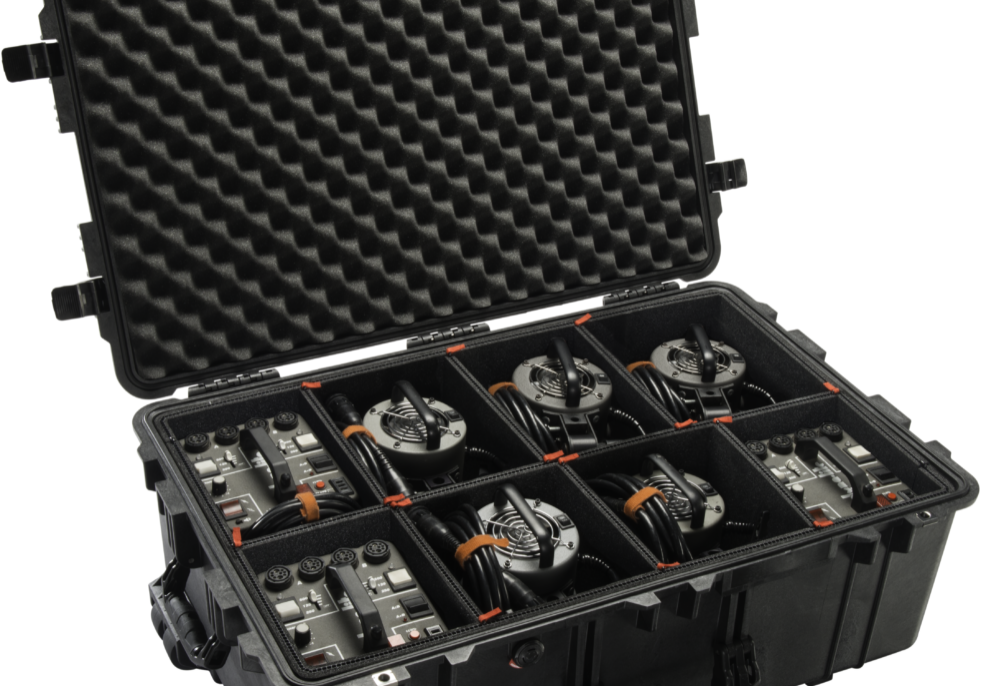
Components that work together are placed near each other. Batteries, cables, and accessories are staged in dedicated, clearly marked compartments. The result is a case that cuts the time between unpacking and operational readiness. Key elements include:
Labeling and Visual Cues
Color coding, clear labelling, and foam silhouetting reduce the mental effort required to locate and identify components. New team members don’t require extensive orientation. Experienced operators work faster with fewer errors.
Integrated Mounting and Power Solutions
Built-in power distribution, cable management systems, and modular mounting frameworks make the case itself the operational platform, reducing the steps between arrival and full operational readiness.
Repack Efficiency
Custom cases with clearly defined homes for every component enable quick, correct repacking, make it obvious if something is missing, and reduce the risk of leaving critical gear behind.
Operational Environments Where Custom Rapid Deployment Cases Make the Difference
The value of rapid deployment manifests differently across operational contexts, but the underlying principle is consistent: custom-configured cases save time while reducing errors and risk.
- Emergency & Disaster Response: First responders require equipment that’s accessible within moments of arrival, regardless of conditions
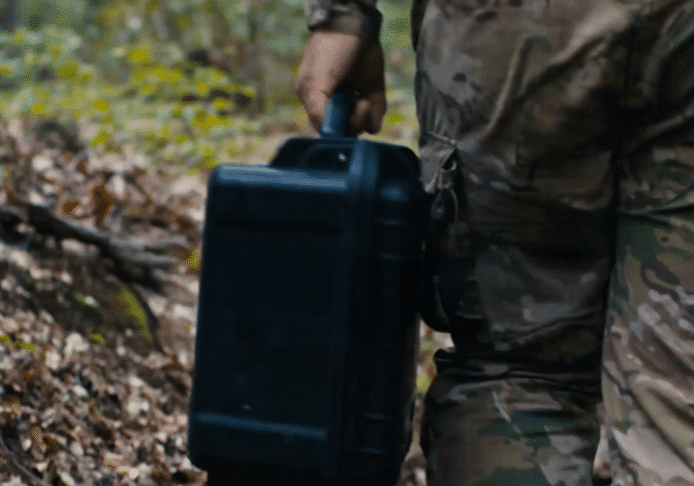
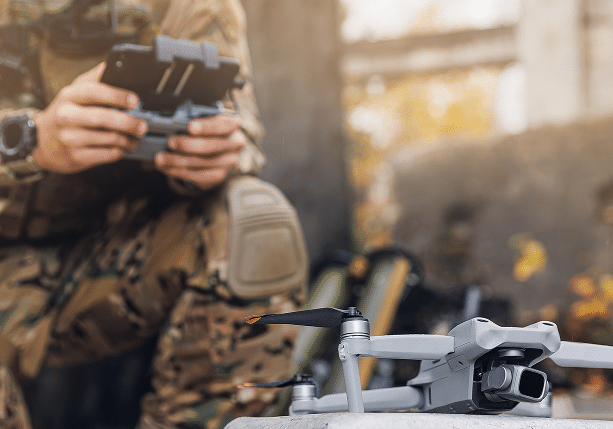
- Military & Aerospace: Forward-deployed units depend on equipment reliability and speed-of-access in high-stress environments
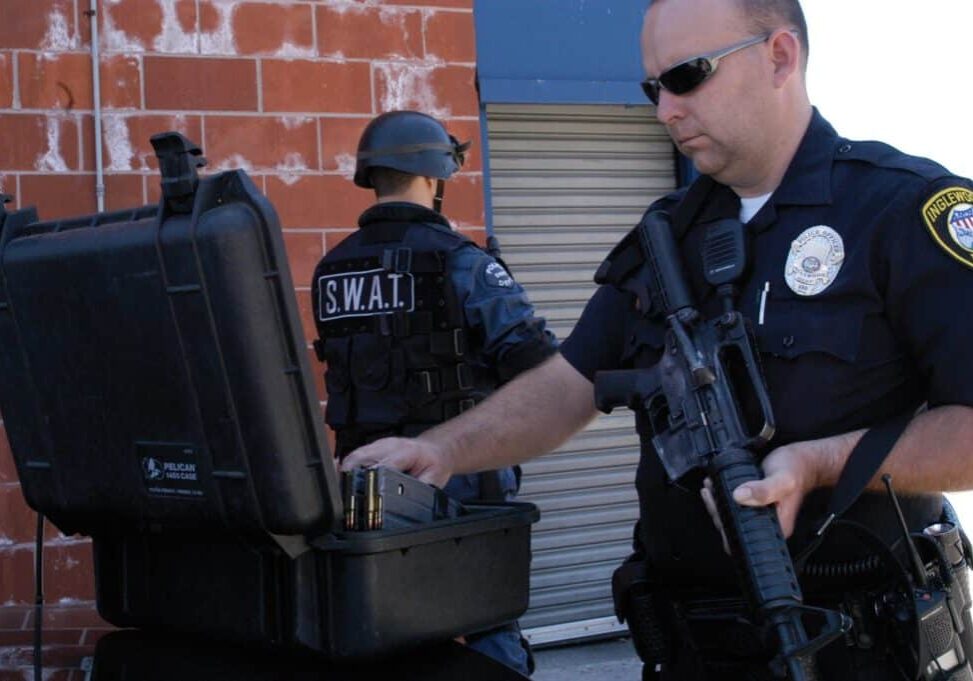
- Law Enforcement & Tactical Teams: Precision, speed, and system integrity are non-negotiable when lives are at stake
- Medical & Field Diagnostics: Diagnostic and treatment equipment must be deployable by any qualified team member without extensive setup
Standardization: The Force Multiplier at Scale
It sounds like a paradox: one of the biggest advantages of customization is standardization. But think about it. When every case is configured identically, any team member can operate from any case without reorientation. In a pinch, components can be sourced from other cases. Inventory management becomes systematic rather than ad hoc.
Standardization also simplifies training. New personnel learn one system and can swing into action regardless of which case set they’re assigned. Experienced operators don’t lose time adapting to unfamiliar configurations under pressure.
Our Approach: Engineering for Mission Success
Our custom case solutions begin with a thorough understanding of how your people operate in the field. Our design process involves close collaboration with end users as well as logisticians, equipment managers, and mission planners. This approach translates into solutions that reflect real-world workflow. We ask questions like:
- What is the first thing your team reaches for when this case is opened?
- Who else on your team needs to be able to operate from this case independently?
- What are the worst conditions this case will need to perform in?
- How quickly does this equipment typically need to be operational after arrival?
- What has gone wrong with your current case setup in the field?
The answers drive our design decisions at every level, from case shell selection and latch configuration to foam density, compartmentalization strategy, and labeling systems. The result is a case solution that does more than transport equipment. It facilitates success.
Investing in Operational Readiness
While custom case solutions represent a considerable investment in materials, design expertise, and time, the return on that investment is measured in accelerated operational readiness.
Teams that deploy faster make better use of the critical early minutes of an operation. Equipment that is properly protected and organized saves on repair and replacement costs. Personnel who can operate confidently regardless of which case they’re working from are more flexible and effective. All these outcomes are the result of deliberate, mission-focused design.
At Packaging Strategies, we understand that the case is an integral part of your operational system. Designed correctly, it disappears into your workflow, enabling the work that matters without creating friction or delay.
Take the Next Step
Packaging Strategies works with teams early to reduce downstream risk. If you’re specifying packaging for a defense program, aerospace system, or critical equipment application, contact us for a consultative evaluation. Packaging Strategies’ engineering team will review your requirements, recommend the optimal material and construction approach, and provide detailed specifications and quotations within 24 hours.
Contact Packaging Strategies:
- Phone: 410-547-7877
- Email: sales@psicases.com
- Start your same-day quote online
Your equipment and its mission are too important to trust to guesstimates. Work with the packaging partner who has the expertise and manufacturing capabilities to recommend the solution that protects your investment.